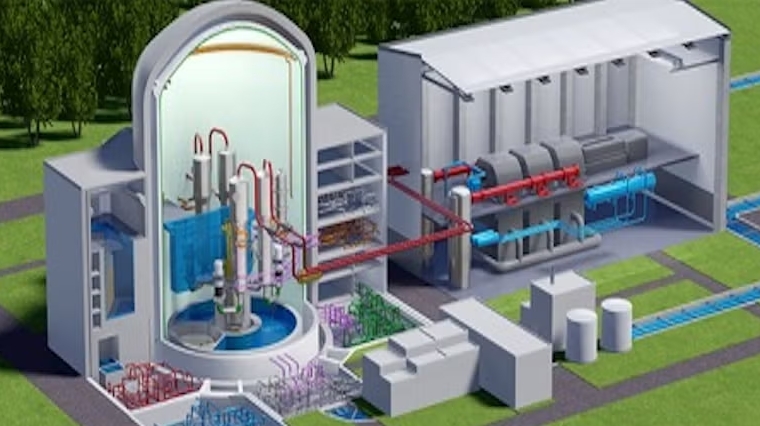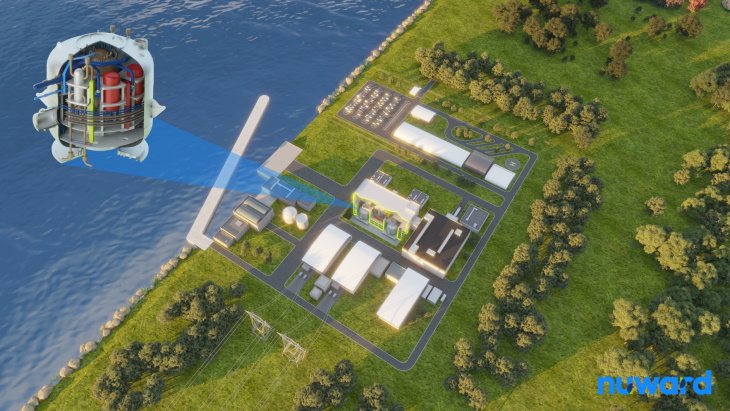
The proposed microreactor utilizes tri-structural isotropic (TRISO) fuel and heat pipe technology, designed to produce high-temperature heat exceeding 1000°C. This capability positions the reactor as a competitive option for high-temperature industrial applications, potentially serving as a cost-effective and reliable energy source for rural areas. The reactor's design emphasizes safety and simplicity, incorporating minimal moving parts and a stainless-steel containment vessel to enhance reliability and streamline permitting processes.
Cristian Rabiti, co-founder and CEO of NuCube Energy, highlighted the significance of this collaboration: "Utah has an enormous amount of momentum as it explores how best to leverage nuclear energy to meet the needs of its residents and businesses. NuCube's innovative reactor is ideal for Utah, and we're looking forward to bringing the highest-temperature application for nuclear energy to the state for the first time."
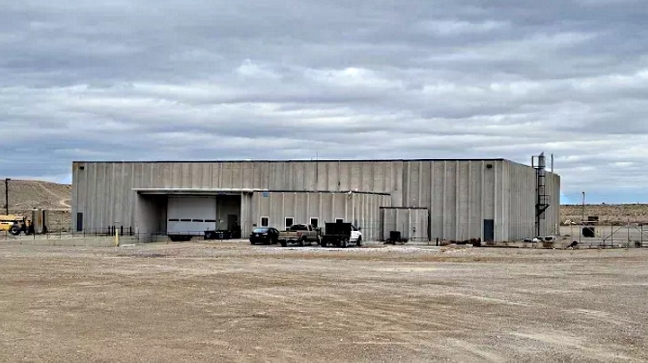
The Utah San Rafael Energy Lab, managed by the Utah Office of Energy Development (OED), provides a conducive environment for testing and developing advanced energy technologies. Emy Lesofski, Director of OED, expressed enthusiasm about the project, stating, "The lab will be a site for a variety of research projects that focus on keeping our energy clean, affordable, reliable, and sustainable. The research at USREL will play a critical role in bringing promising technologies to market safely and quickly."
This initiative is part of a broader trend in the United States to explore small modular reactors (SMRs) and microreactors as viable options for decentralized and resilient energy generation. These technologies are particularly suited for remote or off-grid locations, offering a potential solution to energy access challenges. The collaboration between NuCube Energy and USREL signifies a proactive approach to integrating innovative nuclear technologies into the nation's energy landscape.