In this round of investment, four companies focusing on hydrogen-powered vessels will receive a total of $50.5 million. An additional $25 million has been allocated to support the construction of two ammonia-powered ships.
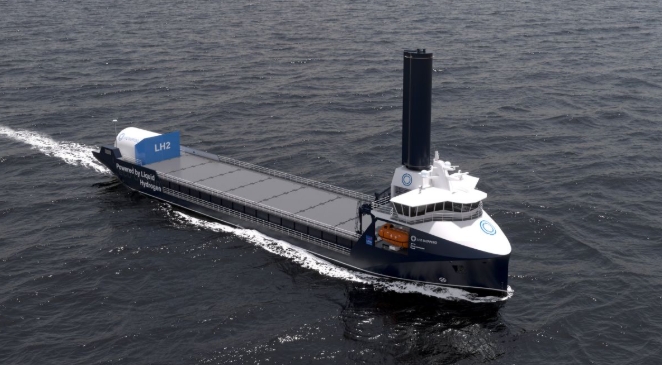
LH2 Shipping is set to receive approximately $23.5 million to build two liquid hydrogen-powered bulk carriers for shortsea operations. The company has developed its own vessel concept and aims to expand into additional ship segments using hybrid systems that combine fuel cells and batteries.
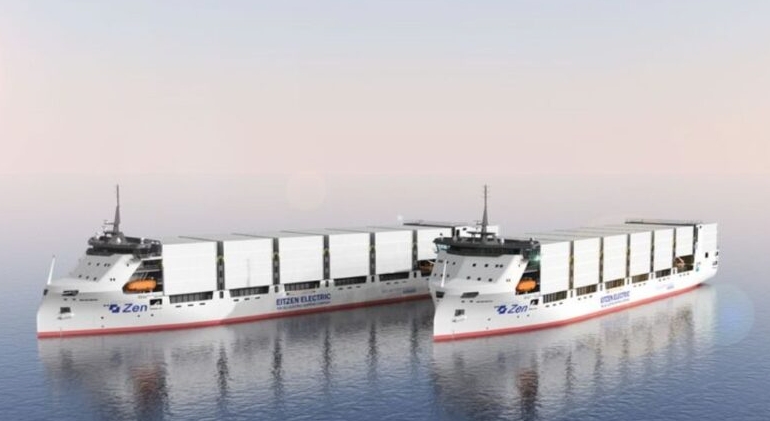
Another major recipient is shipping company Møre Sjø, awarded nearly $27 million for two hydrogen-powered bulk carriers ordered from Gelibolu Shipyard in Türkiye. These newbuilds will each be 85 meters long with a deadweight of 4,000 tons. Naval Dynamics is responsible for the ship design, while e-Cap Marine of Germany will supply onboard hydrogen systems. Delivery is expected in 2027.
Amon Maritime has secured the $25 million allocated for ammonia-powered vessels. The funding will support the construction of Amon Bulk 1 and Amon Bulk 2, expected to be among the world’s first large bulk carriers powered by ammonia. Amon Bulk 1 will be a Capesize vessel, and Amon Bulk 2 a Kamsarmax, reflecting two different bulk carrier segments. These vessels are scheduled for delivery by 2029.
LH2 Shipping CEO Ivan Oestvik commented: “We see that fuel cells and batteries are working very well together in hybrid systems where different routes and ship types provide different system combinations. Some routes can be operated 100% on batteries whereas fuel cells and LH? are added where range and charging issues are dominant.”
Enova Managing Director Nils Kristian Nakstad stated: “The technology is still new. Now we will support the industry in building experience. If we are going to succeed in cutting emissions from ocean transportation, we need to go for solutions that can grow in scale towards 2050.”
Enova also announced plans to introduce a support scheme for ammonia bunkering infrastructure, aiming to establish the first facilities for ammonia fueling along the Norwegian coast. The initiative is intended to create the foundation for scalable and sustainable marine fuel solutions as the sector transitions to lower-emission technologies.