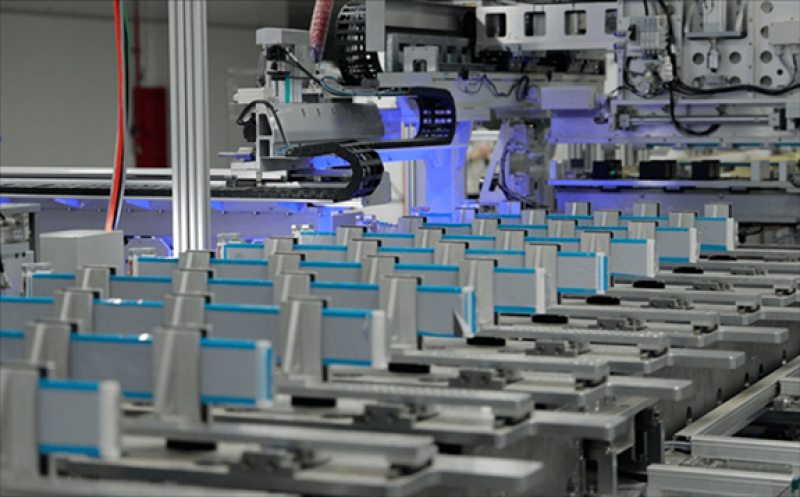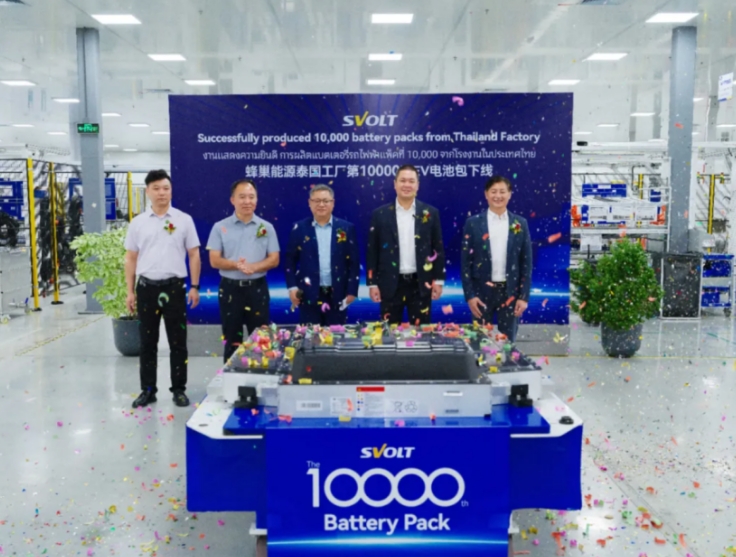
The Chonburi plant operates two production lines for CTP, LCTP, and HEV battery packs, incorporating eight digital systems, including WMS smart logistics, to achieve a 99.9% yield rate. Half of the facility’s processes, such as online OCV testing, plasma cleaning, CCD alignment, and visual inspections, are automated, significantly lowering defective battery cell rates compared to industry benchmarks. The use of MES systems ensures full traceability from raw materials to finished products, while optimized inventory cycles enhance operational efficiency.
Chen Lei, General Manager of SVOLT’s Thailand Plant, stated: “The production of the 10,000th EV battery pack marks a major milestone in our strategic deployment in Southeast Asia. Based on the stable mass production of EV battery packs, we are accelerating the construction of energy storage assembly lines and plan to expand into markets for lightweight power solutions and energy storage tailored to Southeast Asia. Our goal is to provide full lifecycle services to our customers.” He added that the factory aims to develop local talent through partnerships with educational institutions and collaborate with Thai partners on a solar, storage, and charging integration project to promote a sustainable energy ecosystem.
Smittipon Srethapramote, Banpu NEXT CEO, said: “We are very proud to collaborate with a strategic partner like SVOLT to establish Thailand’s leading battery manufacturing hub. This partnership merges our strengths in clean energy technology and local operational expertise, injecting innovative vitality into Thailand’s new energy vehicle industry.” He highlighted the factory’s adoption of advanced short-blade cell technology and intelligent production systems, which ensure high quality and efficiency.
The battery packs support several Chinese-branded vehicle models in Thailand, including Great Wall Motor’s ORA Good Cat, HAVAL H6 PHEV, and TANK 300 HEV. The facility benefits from Thailand’s EV 3.0 policy incentives, TISI certification, and EEC tax advantages. Its proximity to Laem Chabang Port enhances logistics, enabling service across Southeast Asia. The plant plans to expand into localized production of energy storage systems and battery cells, strengthening regional supply chains and supporting Asia-Pacific energy demands.