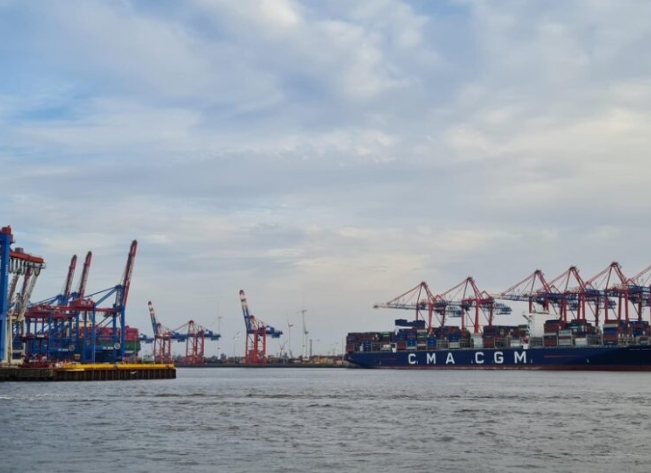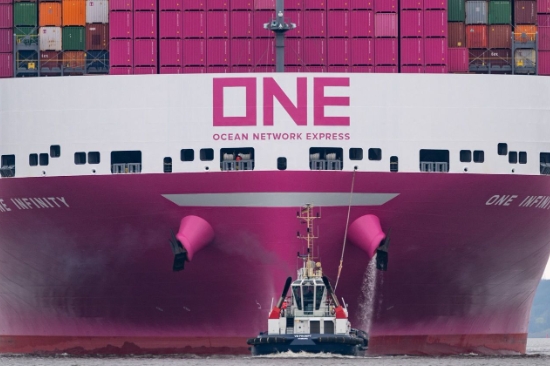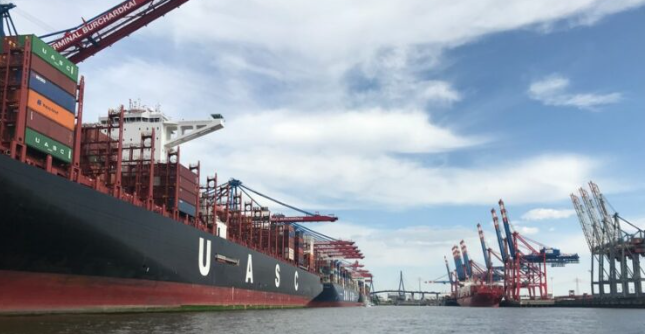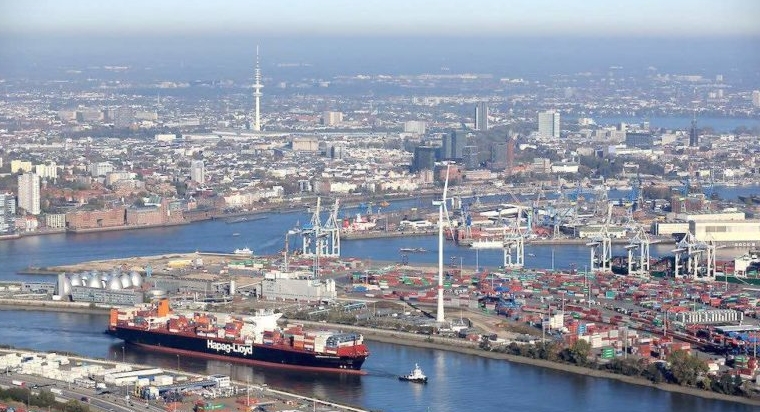
A key component of the project is the expansion of the Elbe River turning basin at Waltershofer Hafen, the port’s primary container handling area, from 480 meters to 600 meters. This upgrade will improve maneuverability for mega-containerships, which account for 90% of the world’s largest boxships docking at Hamburg. The expanded basin will enhance safety and efficiency for vessel traffic at Container Terminals Burchardkai (CTB) and Hamburg (CTH), accommodating the growing size of ships.
The project also includes developing new land for expanded terminal yards, boosting throughput capacity and enabling a shift to automated, electrified operations. These new areas, which will remain publicly owned, will be leased to Eurogate under market terms. The upgraded terminals will feature direct connections to road and rail networks, with electrically powered, autonomous vehicles handling container movements.
The Hamburg Port Authority (HPA) will oversee the infrastructure development, targeting completion in the mid-2030s. Public funding will cover a significant portion of the €1.1 billion cost, pending European Commission approval for state aid. To avoid potential delays, HPA has initiated a proactive review process, with results expected in 2026.
Eurogate, a terminal operator, will invest at least €700 million to modernize and expand the existing container terminal. Under a preliminary lease agreement, Eurogate will assume control of the new land and complete upgrades within two years of its transfer. This partnership supports the port’s goal of enhancing operational efficiency and sustainability.
Construction is underway following secured planning approvals and resolution of legal challenges. The project involves land reclamation, including soil excavation from the Bubendey bank and eastern headland north of the Petroleumhafen. Once enclosed by a dam, the area will be filled and developed into a modern logistics hub.
The investment strengthens Hamburg’s position as a leading global port by improving infrastructure, increasing capacity, and adopting eco-friendly technologies. The upgrades ensure the port can handle growing maritime traffic while supporting sustainable logistics and regional economic growth.