Filipe Gouveia, shipping analysis manager at BIMCO, stated: “During the first half of 2025, global coal shipments fell 6% year-on-year amid weak import demand in large markets. Cargo loadings headed to China and advanced economies slowed considerably, partly due to stronger electricity generation from renewables and to weaker steel production.”
China has significantly expanded its renewable energy capacity, installing over half of the world’s new solar and wind power in recent years. In 2024, China’s solar capacity alone matched the European Union’s total. Data from UK-based energy think tank Ember shows that in April 2025, wind and solar generated over a quarter of China’s electricity, a historic milestone.
The decline in coal shipments has intensified competition in the dry bulk shipping market, impacting freight rates. BIMCO data indicates that the panamax segment increased coal shipments by 4% year-on-year, raising its share of global coal transport from 49% to 54%. Meanwhile, the capesize segment saw a 23% drop in coal transport compared to the previous year.
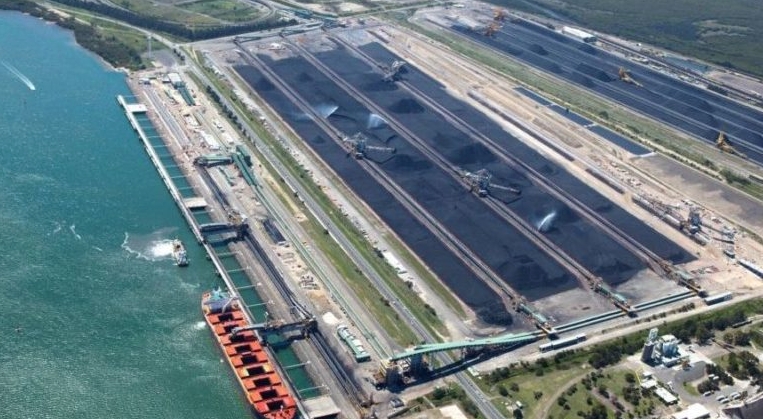
In response, Newcastle’s port, where coal represents 95% of cargo volume and 72% of revenue, is pursuing diversification to reduce reliance on coal. The port aims to increase non-coal revenue to 50% by 2030. Key initiatives include developing a deepwater container terminal and a 220-hectare Clean Energy Precinct on Kooragang Island, supported by federal investment. The precinct will focus on producing and exporting green hydrogen and ammonia, aligning with global clean energy trends.
Sharon Claydon, federal member for Newcastle, said: “This is a defining moment for Newcastle – a city that has helped power the nation for generations is preparing to power the future with clean energy. It’s hard to imagine a more powerful symbol of our region’s transformation – land once earmarked for a coal terminal will now be at the forefront of the global clean energy transition.”
These efforts position Newcastle to adapt to changing market dynamics while fostering sustainable economic growth through clean energy innovation and job creation.