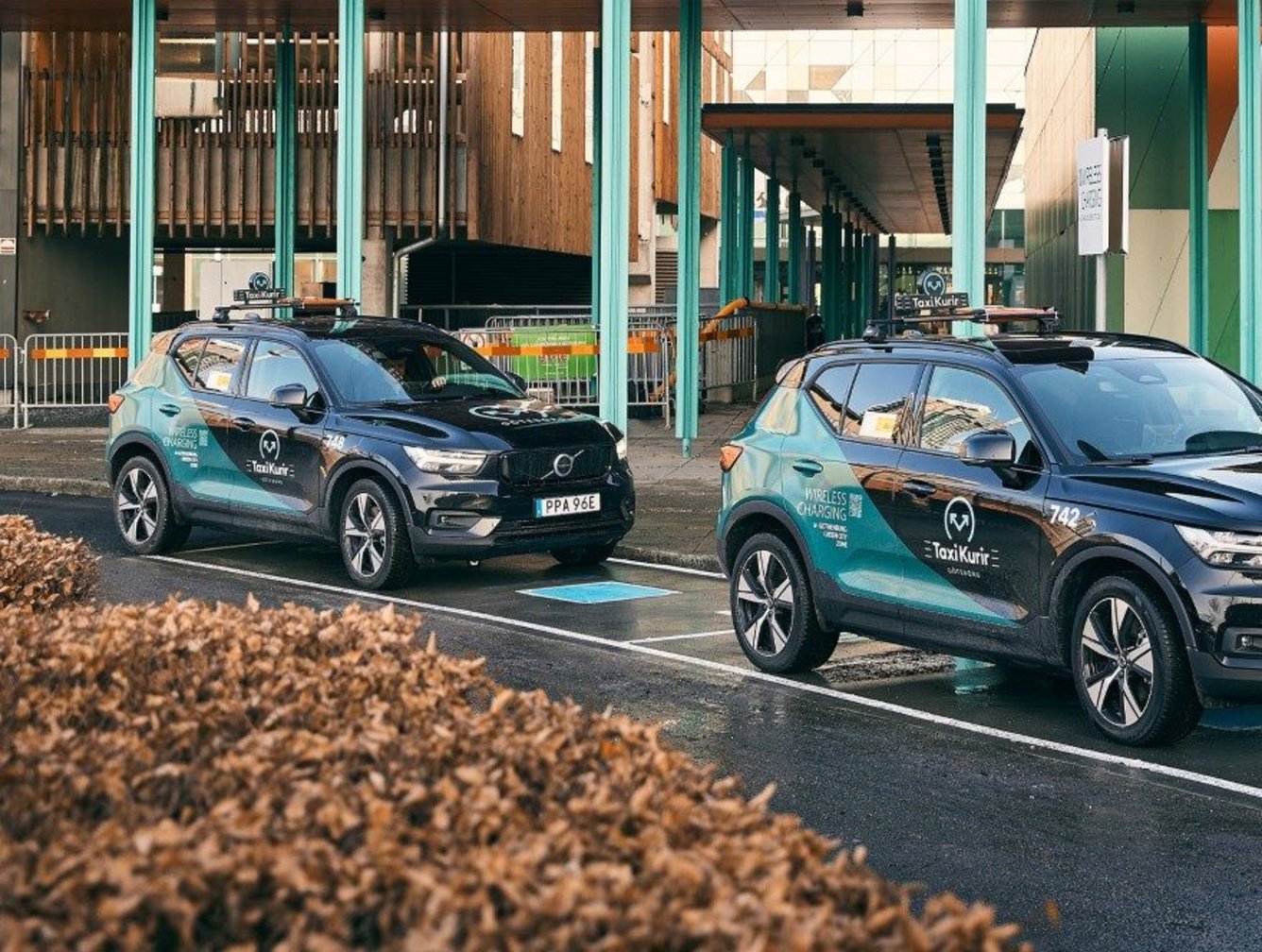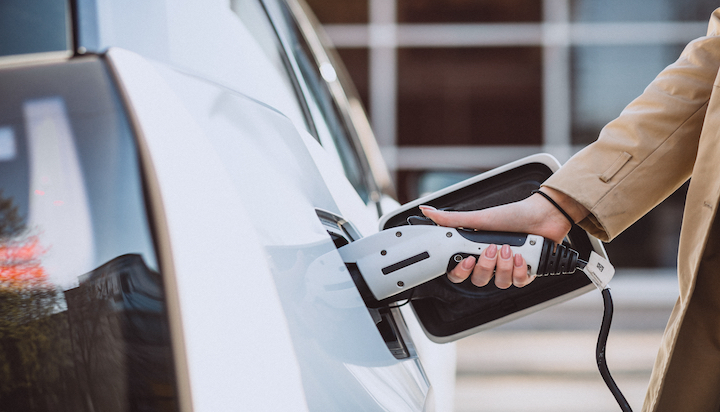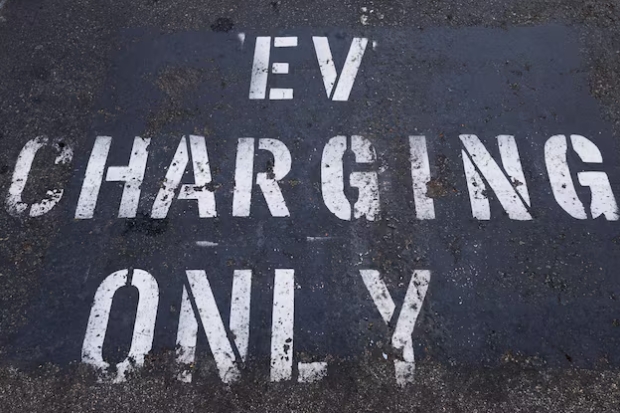
A parking space is marked specifically for an electric vehicle to charge charger in a shopping center parking lot in Oceanside, California, U.S.,October 19, 2023.
In May 2025, California and 15 other states filed a lawsuit against the U.S. Transportation Department, claiming the federal government has withheld at least $3 billion allocated for EV charging station development under a 2021 infrastructure law. The lawsuit followed a February 2025 decision by the Transportation Department to pause the EV charging program and review state plans, causing delays in funding and project implementation.
Nationwide, approximately 219,000 publicly available EV charging ports are operational, as reported by the Energy Department. The slow progress of the federal program has drawn criticism. In June 2024, Senator Jeff Merkley remarked: “We’re now three years into this ... That is a vast administrative failure. Something is terribly wrong and it needs to be fixed.” His comments highlighted the deployment of only a few dozen ports at seven stations under the previous administration, describing the pace as inadequate.
The federal approach to EV infrastructure has faced additional changes. In March 2025, the General Services Administration directed federal agencies to disconnect non-essential EV charging stations for government-owned vehicles from the network. Additionally, in April 2025, the administration canceled 32 EV charging projects valued at over $23 million. Legislation signed in July 2025 will also terminate the $7,500 EV tax credit and the $4,000 used EV tax credit by September 30, 2025, signaling a shift in federal support for EV adoption.
These developments have impacted the expansion of EV charging infrastructure, which remains critical for supporting the growing number of electric vehicles in the U.S. The GAO’s findings underscore the need for clearer objectives and timelines to enhance the efficiency of federal funding deployment. Meanwhile, states continue to advocate for the release of allocated funds to advance EV charging networks, emphasizing the importance of reliable infrastructure to meet consumer demand and support sustainable transportation goals.