According to Costamare’s second-quarter earnings report, all four ships will enter into eight-year charters upon completion. The company described the charterer as a “first-class liner company,” though no names have been disclosed. The newbuilding project will be financed through a mix of internal funds and debt arrangements.
While the exact contract value was not shared, industry data indicates that recent orders for vessels in the 3,000–3,500 TEU range at Chinese shipyards have been priced between $45 million and $55 million per unit. Pricing typically varies based on specifications and delivery schedules.
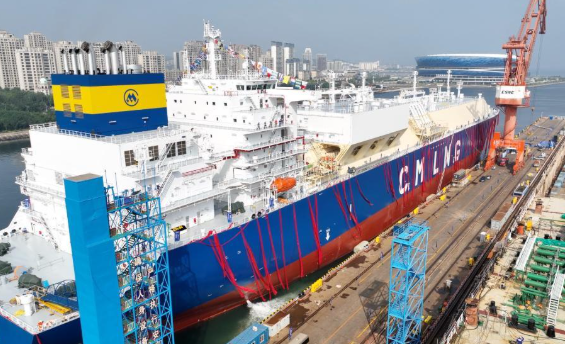
This new order is Costamare’s first containership newbuilding project since 2018. The company, led by Konstantinos Konstantakopoulos, currently operates a fleet of 68 containerships with a combined capacity of approximately 513,000 TEU, not including the latest order.
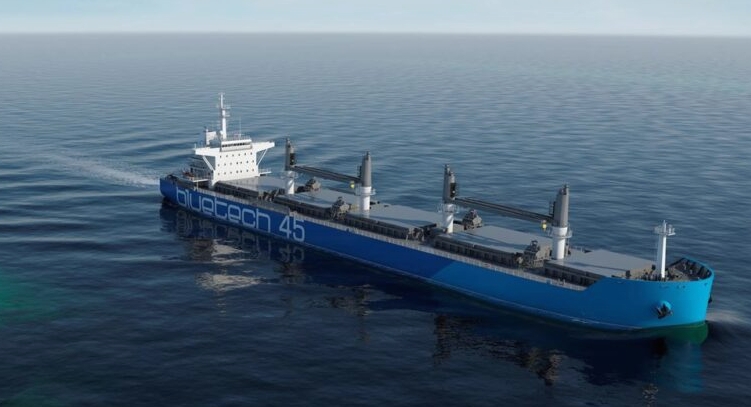
In addition to its container shipping business, Costamare restructured its dry bulk segment earlier this year. The dry bulk operations have been spun off under a new entity called Costamare Bulkers. This division manages a fleet consisting of nearly 40 owned bulk carriers and around 50 chartered-in vessels, which are operated through the company’s CBI platform.
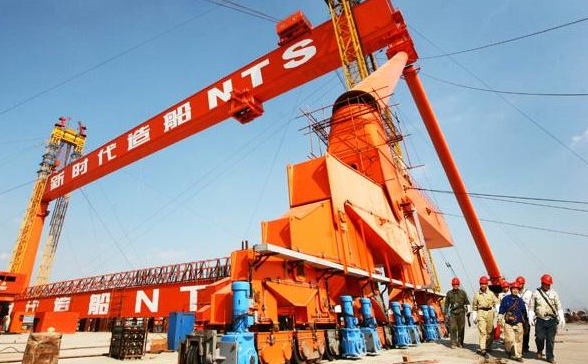
Costamare’s re-entry into the shipbuilding market reflects its continued commitment to modernizing and expanding its fleet, as well as securing long-term revenue through fixed charters. The choice of a Chinese shipyard is consistent with broader industry trends, where Chinese builders remain competitive in terms of pricing and delivery capacity.
The strategic move also indicates sustained demand for mid-sized container vessels, especially those backed by long-term charter agreements. The company’s decision to align its newbuilds with secured employment may help mitigate risks associated with market fluctuations during the ships' delivery timeframe.
With these developments, Costamare continues to reinforce its position in the global container shipping sector, while also maintaining a diversified presence in the dry bulk market through its separate platform.