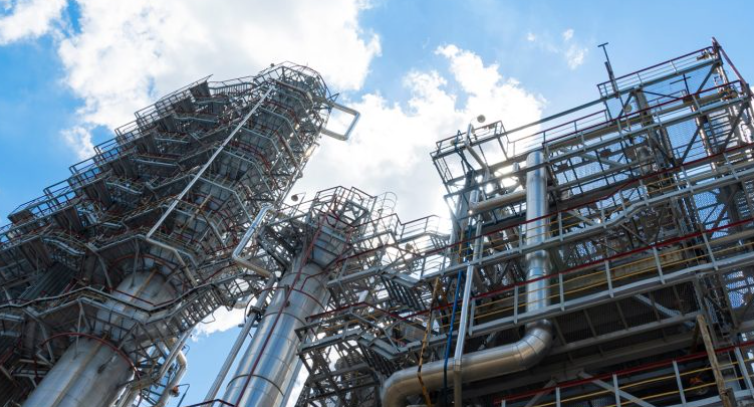
The chemical production facility will be able to produce 6,130t of methanol per day.
Under the agreement, Bonatti will oversee the engineering, procurement, construction, pre-commissioning, commissioning, and startup of upgrades to the port facilities and jetty at the Terminal Transoceánica de Topolobampo. This site will handle all methanol loading for export. Bonatti’s responsibilities also include constructing methanol transfer and vapor recovery pipelines, as well as dual fiber optic cables connecting the main methanol processing plant to the port.
Additionally, the agreement enables Bonatti to develop a closed-loop water pipeline system using municipal wastewater from the JAPAMA oxidation pools. This system will treat and recycle water, positioning Pacifico Mexinol as a global leader in industrial water reuse. By avoiding freshwater use and minimizing impact on the Bay of Ohuira, the project prioritizes environmental sustainability.
Balmore Brito, Pacifico Mexinol Project Director at Transition Industries, stated: “We are proud to have Bonatti, a world-leader in pipeline EPCs, as part of our execution team. Their international expertise coupled with their local field experience and knowledge operating in Ahome Municipality, Sinaloa, is good for the project and the local communities near where we operate. Bonatti shares our unwavering commitment to environmental and social sustainability.”
Gustavo Blejer, Bonatti’s Commercial Director for the Americas, said: “We are thrilled to be part of this flagship project, which marks an important step toward decarbonisation. This is a great opportunity to combine Bonatti’s global expertise with our strong local experience, and to contribute meaningfully to the development of Ahome, Sinaloa, and Mexico.”
Transition Industries is collaborating with the International Finance Corporation, a World Bank Group member, on this project. Scheduled to commence operations in 2029, the facility is expected to produce 350,000 tonnes of green methanol and 1.8 million tonnes of blue methanol annually, utilizing natural gas with carbon capture. This partnership underscores a shared commitment to sustainable industrial practices and regional economic development.