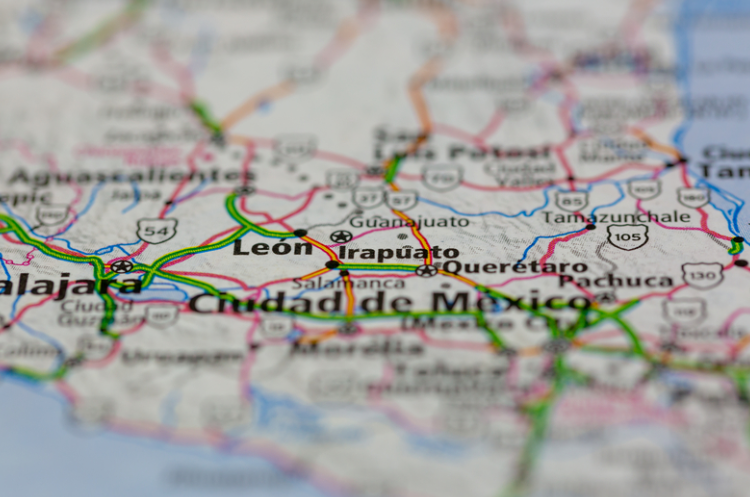
Wins include an €820m contract to design and build the second section of the 70.7km Querétaro–Irapuato railway
The project, scheduled to run for 29 months, is part of Mexico’s US$58 billion National Railway Plan, aimed at modernizing the country’s transport network, reviving passenger services, and reducing emissions. Once operational, the new line is expected to carry 11,000 passengers daily, alleviating pressure on central Mexico’s highways.
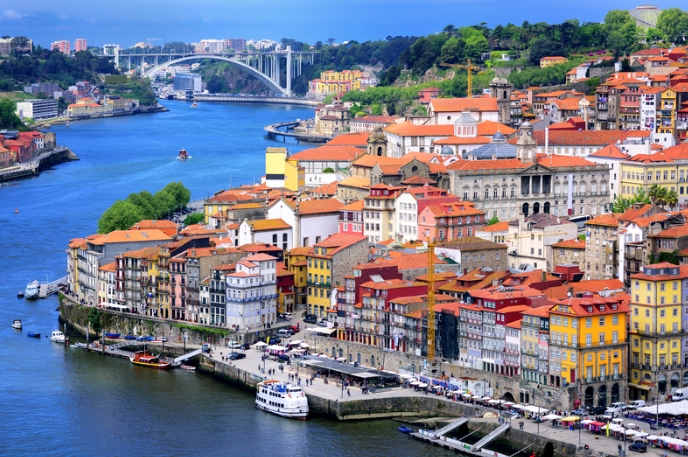
For Mota-Engil, headquartered in Maia, Portugal, the contracts mark a significant step in its global expansion. The Bajío region, Mexico’s industrial hub home to Toyota, GM, and Airbus plants, is prioritizing faster rail to accelerate exports. Mota-Engil’s previous work on high-profile projects, including the Tren Maya in southern Mexico, has established its reputation in Spanish-speaking rail markets.
To meet the increased workload, Mota-Engil is redeploying resources from Portugal and sending approximately 200 engineers to Mexico over the next two years. The new projects lift the company’s order book to record levels, supporting higher dividends and cash flow. Beyond construction, the contracts have a broader impact on Portugal, benefiting pension funds, the PSI index, and domestic suppliers. With European markets slowing, Latin America is both a growth engine and a risk hedge for the company.
Mota-Engil is jointly controlled by the Portuguese Mota family and China Communications Construction Company. Latin America is projected to contribute 40% of group revenue by 2026, up from 33% last year, as the company targets €1 billion in annual EBITDA. Management has committed to maintaining net leverage below 2.0× EBITDA, while dollar-denominated payments from Mexico’s transport ministry reduce currency risk for bondholders.
Overall, Mota-Engil’s expansion in Mexico underscores its strategic focus on high-demand infrastructure markets, combining engineering expertise with financial discipline to capture long-term growth in the region. The projects also reflect Mexico’s push to modernize rail transport, improve connectivity in industrial zones, and support sustainable transport solutions across the country.