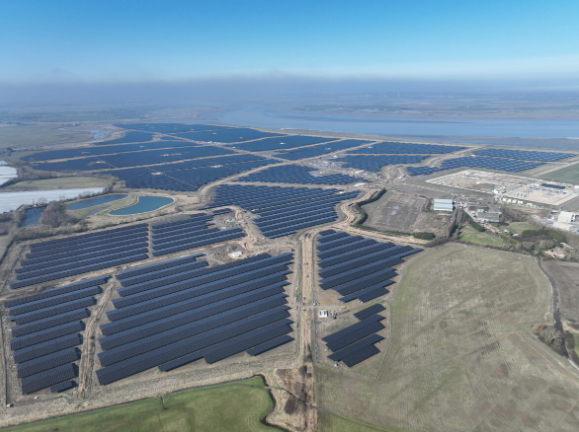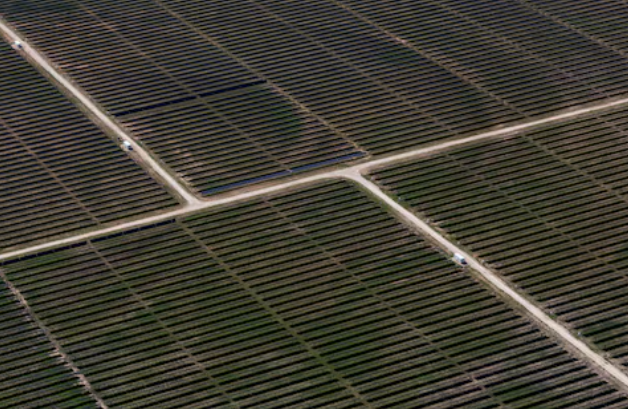
An aerial view shows rows of solar panels at a solar farm in Anson, Texas, U.S., April 23, 2025.
The EIA also noted that battery storage systems, which store energy from solar farms and other sources, are likely to set a new annual record in 2025. Other sources of new electricity capacity include wind and natural gas power plants, which make up the remaining additions.
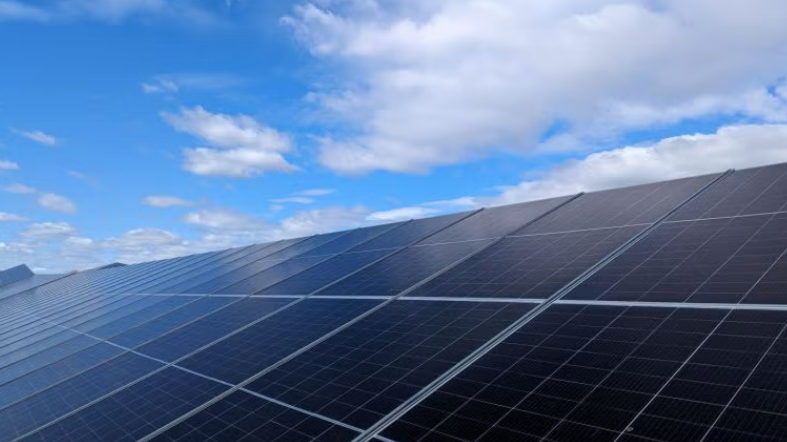
Solar energy’s role is vital for U.S. states aiming to reduce emissions while meeting growing electricity needs driven by expanding industries, such as technology. “Solar power is a cornerstone of our efforts to meet rising energy demands sustainably,” said an EIA spokesperson. Unlike traditional energy sources, solar generates electricity without contributing to greenhouse gas emissions, making it a key component of state-level clean energy strategies.
Texas has emerged as a leader in solar development, surpassing California in 2024 to become the state with the most large-scale solar capacity. In 2025, Texas accounted for over a quarter of the solar power added so far and plans to install an additional 9.7 gigawatts by year-end, nearly half of the total U.S. solar capacity planned for the period. The state’s abundant sunshine, vast available land, and increasing energy demand have made it a hub for solar projects.
Looking ahead, the solar industry faces some uncertainty due to changes in federal financial incentives. Support that has driven solar growth in recent years is expected to decrease under the administration of President Donald Trump. Despite this, developers remain optimistic about meeting 2025 targets, supported by strong state-level demand and favorable conditions in regions like Texas.
The continued expansion of solar and battery storage reflects the U.S.’s commitment to diversifying its energy mix while addressing rising electricity needs. If the planned projects are completed, 2025 could mark a significant milestone in the nation’s clean energy transition.