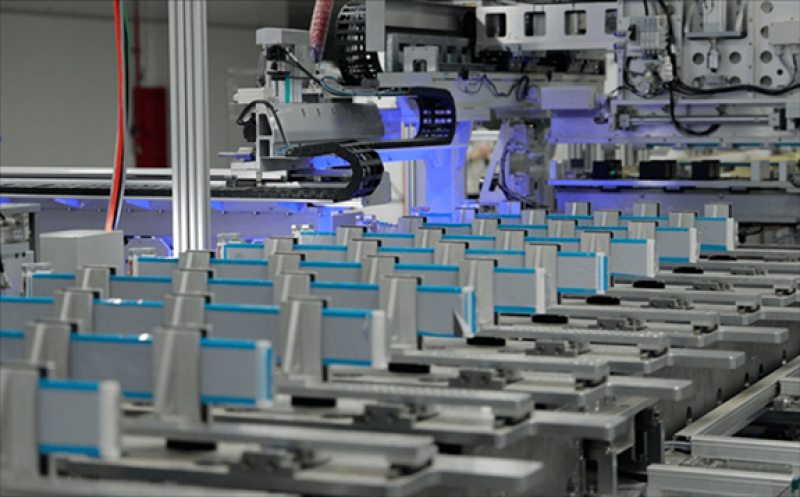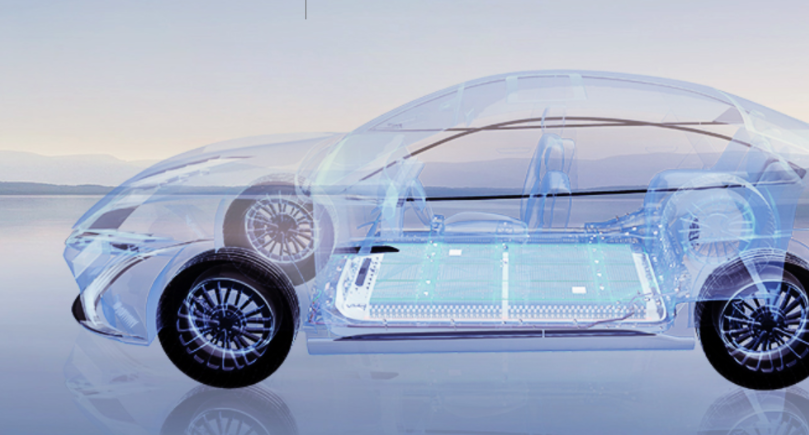
Established in November 2023, SAIC QingTao is a collaboration between SAIC Motor, holding 49%, and QingTao Energy, with a 51% controlling stake. The company specializes in developing semi-solid-state and all-solid-state batteries, with production facilities in Wuhai, Chengdu, Yichun, Kunshan, and Taizhou. These facilities support a comprehensive supply chain, from materials research to battery cell and module manufacturing. SAIC QingTao’s semi-solid-state batteries are already integrated into mass-produced vehicles, including SAIC Motor’s recently launched MG4 model.
Solid-state batteries are recognized as a next-generation energy storage solution, offering enhanced safety, higher energy density, longer cycle life, and faster charging compared to traditional batteries with liquid electrolytes. This technology is a key focus for the automotive and energy storage industries.
In a statement on X, an EIH representative quoted Aliko Dangote, referencing a related African initiative: “The investment represented a shared vision to industrialise Africa and achieve food security across the continent.” While this quote pertains to a different context, it reflects the broader theme of industrial advancement shared by such ventures.
Across China, major battery manufacturers are advancing solid-state technology. Gotion High-tech announced in June 2025 that its all-solid-state “Jinshi” battery pack system has entered vehicle road testing. Farasis Energy has progressed from laboratory research to pilot-scale production, planning to complete a 0.2 GWh pilot line for sulfide-based all-solid-state batteries by the end of 2025, with 60Ah prototype cells supplied to partners. SVOLT is targeting trial production of its first-generation 140Ah semi-solid-state cells in Q4 2025, utilizing a 2.3 GWh production line.
Several Chinese automakers, including BYD, Changan Automobile, SAIC Motor, GAC Group, Chery, and Dongfeng Motor, have outlined plans to integrate solid-state batteries into vehicles, with most targeting mass production and deployment between 2026 and 2027. These efforts highlight China’s commitment to advancing battery technology to meet future energy demands.