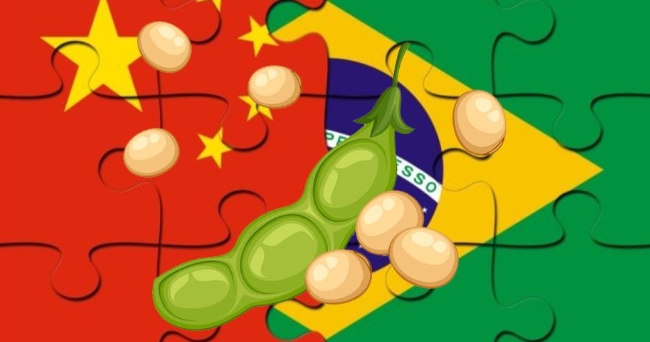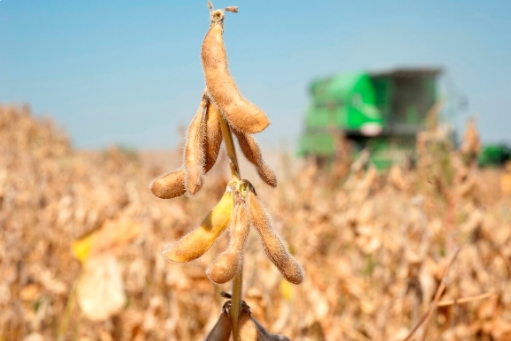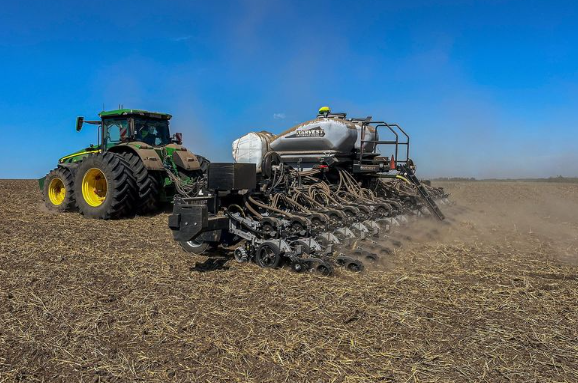
At the same time, preparations for soybean planting are underway. Planting could begin as early as September 7, supported by adequate soil moisture across many regions. This factor is seen as crucial for a successful campaign, as soybeans represent one of the most important crops in Brazil’s agricultural system. However, weather forecasts present challenges. The National Institute of Meteorology (INMET) has projected that rainfall in September could be up to 50 millimeters below the historical monthly average of 150 millimeters. Such a reduction could complicate crop germination during the early stages of growth.
In addition, INMET has forecast an increase in temperatures ranging from 0.6°C to 1.5°C above seasonal averages. This poses potential risks for crop development, especially for soybeans, which are particularly sensitive to water shortages. Farmers in Mato Grosso and other major producing states are paying close attention to these conditions, as prolonged heat and insufficient rain could directly affect yields.
Despite the weather-related concerns, optimism remains within Brazil’s agricultural sector. Farmers are relying on technological improvements, improved seed varieties, and knowledge gained from past seasons to mitigate risks. The use of precision agriculture, irrigation systems, and soil management practices is expected to support stability in production even if conditions deviate from the norm.
Corn and soybean planting activities mark the beginning of Brazil’s new agricultural cycle, which has significant implications for both domestic consumption and international trade. Corn provides a critical input for animal feed and biofuels, while soybeans serve as a cornerstone of Brazil’s export economy, supplying markets across Asia, Europe, and other regions. Maintaining stable planting and yield performance is therefore essential for meeting both internal demand and global commitments.
Farmers and analysts will closely monitor rainfall distribution in the coming weeks, as well as temperature trends, to assess potential impacts on planting schedules and crop emergence. While slower planting progress compared with last year has been noted, the expectation is that momentum will increase steadily in September.
As the season develops, Brazil’s agricultural sector will continue to balance optimism with caution, relying on resilient practices to navigate weather uncertainties. The ability to adapt quickly will play a decisive role in determining the success of both corn and soybean harvests in the 2025/26 season.