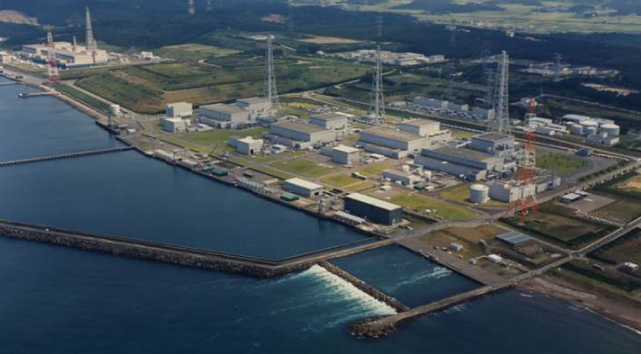
Mbambo noted that environmental authorization had been granted for a site near Koeberg capable of hosting 4.6 GW. He emphasized that the 10 GW expansion, targeted over 10 to 15 years, would include both conventional and small modular reactors. Socio-economic and cost-benefit studies are underway to ensure development occurs at a pace and scale that South Africa can afford. He also confirmed that uranium has been declared a strategic mineral, forming part of the plan to restore the complete nuclear fuel cycle.
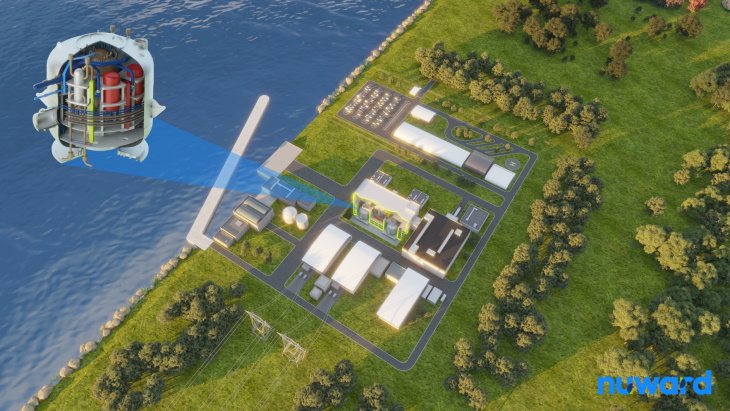
South Africa, once a leader in PBMR technology before the programme was placed under maintenance more than 30 years ago, has decided to revive the project. Mbambo added that the Safari research reactor, a global supplier of medical isotopes, is undergoing life extension work, with parallel development of a new multi-purpose reactor to maintain leadership in isotope supply. He stated: “We have taken a decision to re-establish our pebble bed modular reactor programme” and reaffirmed South Africa’s commitment to nuclear innovation.
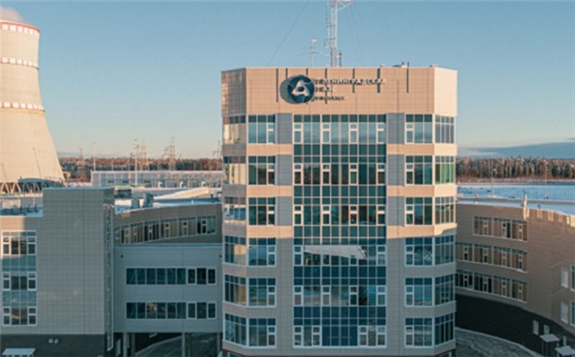
The symposium also discussed Africa’s wider nuclear development. Mohamed Saad Dwiddar, Director of the El Dabaa Nuclear Power Plant project in Egypt, reported that 25,000 workers are currently on-site. He said installation of the reactor pressure vessel for Unit 1 is scheduled for the fourth quarter of this year, with all four units expected to be online by 2030.
Rwanda’s Atomic Energy Board Chairman, Lassina Zerbo, confirmed that Rwanda has completed a pre-feasibility study, selected a site, and is assessing technology options for its planned nuclear project. He said: “The choice is to be made. It’s mainly based on financing. Where we are, what they are offering, and how could they help us implement the project that the president wants to be ready by 2030?”
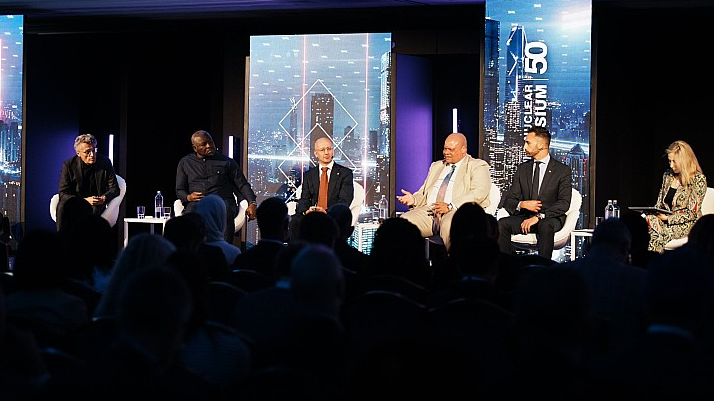
The panel addressed challenges including public acceptance, financing, and workforce development. Zerbo stressed the importance of separating nuclear energy from misconceptions, while South African Nuclear Energy Corporation CEO Loyiso Tyabashe highlighted the socio-economic benefits such as job creation. All agreed that training a skilled workforce is essential, with Egypt already running a nuclear technical school and Rwanda preparing specialists. South Africa’s challenge, Tyabashe said, is retaining skilled workers as new projects have been limited in recent years.
Financing issues, including perceived risk premiums in Africa, were also discussed. Tyabashe called this a “systemic issue” and said progress depends on delivering safe and timely projects. Panelists cited international cooperation, public-private partnerships, and innovative financing such as green bonds as potential solutions. They also emphasized the value of African nations sharing experience and knowledge to advance nuclear power across the continent.