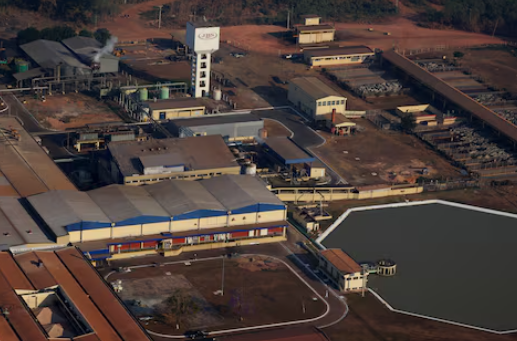
The logo of JBS S.A, the world's largest beef producer, is pictured at a plant of JBS in Santana do Araguaia, Para state, Brazil September 11, 2025.
Brazil is the world’s leading beef exporter, and a decline in cattle supply could affect the global market. Other major meat producers, including the United States, are also facing supply constraints, raising concerns about future availability. The anticipated changes may have an impact on both domestic consumption and international exports, as lower cattle volumes may affect production levels.
Pedroso emphasized JBS’s strategy to address the upcoming challenge: “The imminence of the cattle cycle shift brings challenges. We are preparing through partnerships, contracts, and close relationships with ranchers to preserve our volumes.” He also noted the role of technology and integration in minimizing the impact: “With crop-livestock integration, tech adoption, earlier slaughter age, and productivity gains, cycle impacts can be softened. That’s what we expect.”
Brazil’s cattle industry has seen a sharp increase in slaughter numbers over the past two years, supported by an oversupply that enabled higher processing rates. This period boosted the country’s position as the top beef exporter. However, industry observers say this situation is changing. Signs now indicate a decline in availability beginning next year, creating new dynamics for both producers and global buyers.
Consultancy Datagro reported that cattle slaughter in Brazil is projected to fall by more than 9% in 2026 compared with this year, reaching 37.1 million animals. This follows strong growth in previous years, with slaughter estimated to have increased by more than 16% between 2023 and 2024 and by 3% from 2024 to 2025. The forecasted reduction highlights the natural cyclical nature of cattle production and its influence on supply chains.
Industry analysts note that Brazil’s experience reflects broader trends in global meat production. Many producers face the challenge of balancing animal supply with market demand, while also managing cost efficiency and productivity. The expected contraction in Brazil’s cattle numbers underscores the importance of innovation and partnership across the sector.
For JBS, maintaining production levels while navigating a shifting supply cycle will be crucial. The company’s focus on rancher collaboration, contract structures, and new technologies aims to ensure resilience in both domestic and export markets. As global meat demand remains steady, how Brazil manages the next phase of its cattle cycle may influence trade flows and market pricing in the coming years.