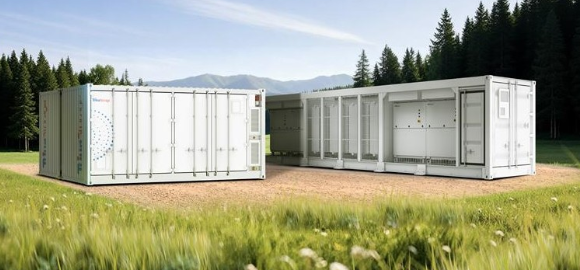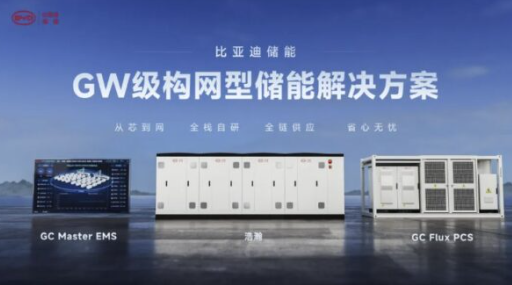
According to BYD, Haohan’s minimum single-unit capacity of 14.5 MWh is more than twice the current industry standard of 6–7 MWh. When housed within a standard 20-foot container, the system provides 10 MWh of storage. It also achieves a volumetric energy density of 233 kWh per cubic meter, representing a 51% increase compared with the industry average.
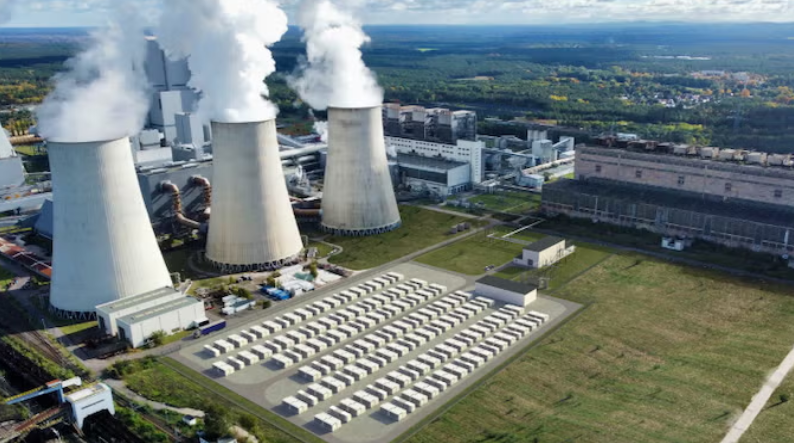
The company highlighted the efficiency advantages of Haohan in large-scale applications. For a 1 GWh storage project, Haohan would cut the number of required units by more than 50%. It would also reduce land use by one-third and lower the total number of cells by 76%. BYD noted that these reductions enhance project feasibility and operational efficiency.
The system is designed to meet the growing needs of power operators and renewable energy projects that require large-scale storage to ensure grid stability and flexibility. The company said Haohan supports energy transition by providing a high-capacity, space-saving, and cost-efficient solution.
The unveiling of Haohan underscores the rapid technological advances in the energy storage industry. With renewable power generation expanding worldwide, large-capacity storage systems are increasingly essential to balance supply and demand, integrate intermittent resources such as solar and wind, and strengthen energy security.
BYD’s entry into this segment with Haohan highlights its ambition to advance innovation in clean energy technology. The company said: “Haohan sets a new benchmark in storage capacity and efficiency. Its launch represents an important milestone for the industry.”
Industry observers expect Haohan’s large unit capacity to intensify competition in the global energy storage market, where demand is accelerating as utilities, developers, and governments seek reliable solutions for sustainable power systems.
At the Shenzhen expo, the presentation of Haohan attracted wide attention from industry participants, reinforcing BYD’s position as a key player in both electric vehicles and energy storage. The company emphasized that the system’s design combines high safety standards, durability, and adaptability to different project scales.
With Haohan, BYD aims to provide solutions that lower costs, reduce land requirements, and enhance system performance, helping drive broader adoption of utility-scale energy storage. The company views this innovation as part of its broader strategy to support renewable integration and promote stable, clean energy development worldwide.