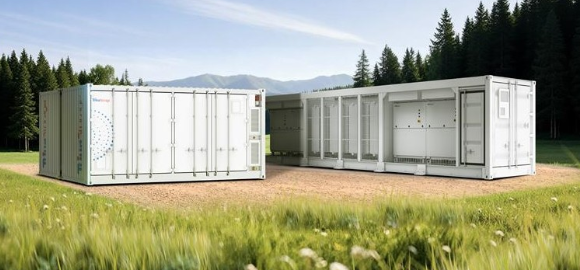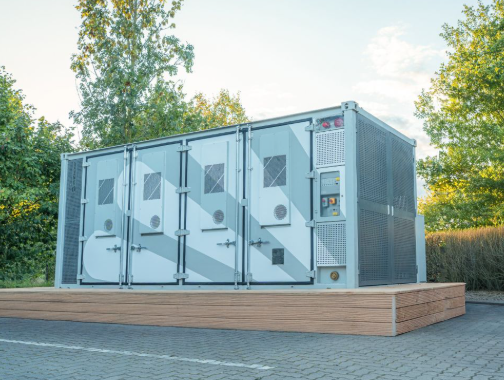
The system is housed in a single container and delivers 400 kW of power with close to 1 MWh of storage capacity. It has been paired with an existing 50 kW solar array and is operating in island mode. This configuration enables the facility to optimize on-site energy use while supporting electric vehicle charging stations. The combination of solar power and large-scale storage is intended to demonstrate how sodium-ion batteries can contribute to more efficient local energy systems.
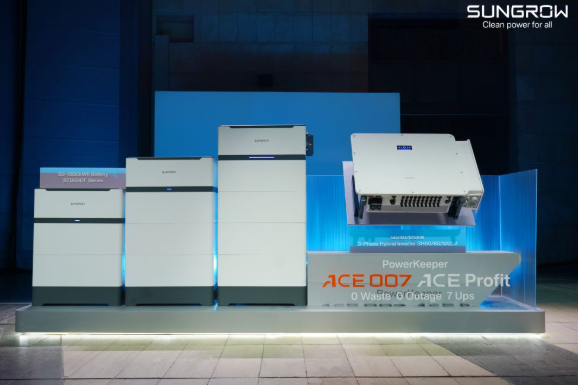
A significant technical hurdle in deploying sodium-ion batteries has been ensuring inverter compatibility. Compared with conventional lithium-ion technologies, sodium-ion systems have a wider voltage range, which makes the selection of inverter technology especially critical. Overcoming this barrier was an important step in bringing the project into operation.
Phenogy’s system is designed to highlight the potential of sodium-ion chemistry as an alternative to lithium-ion for large-scale applications. The technology is considered advantageous because sodium is more abundant and accessible than lithium, which may help address supply concerns for battery raw materials. Furthermore, sodium-ion batteries are being evaluated for their safety and cost competitiveness, particularly in stationary storage solutions.
The installation near Bremen represents a milestone for both Phenogy and the broader sodium-ion sector, signaling progress toward commercial adoption of the technology in Europe. While many sodium-ion projects remain at pilot or early demonstration stages, Phenogy’s system provides a practical case study for how the technology can be integrated into real-world energy infrastructure.
By linking the storage unit with solar generation, the project also supports goals of improving renewable energy utilization. The system’s ability to run in island mode allows energy independence at the site, reducing reliance on the external grid and providing a stable supply for electric vehicle charging. This feature is considered especially valuable in locations where grid capacity is limited or expansion would be costly.
Industry observers note that as sodium-ion technology advances, it could become a complement to lithium-ion, helping diversify the energy storage market. Phenogy’s deployment in Germany demonstrates how commercial-scale systems can function effectively and may serve as a reference point for further projects across Europe.
The company has not disclosed details on future installations, but the successful integration of this unit is expected to pave the way for wider use. As interest grows in alternative chemistries, the Bremen project marks an important step in validating sodium-ion batteries as a competitive solution for the region’s energy transition.