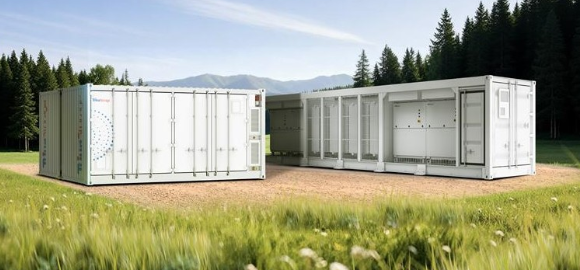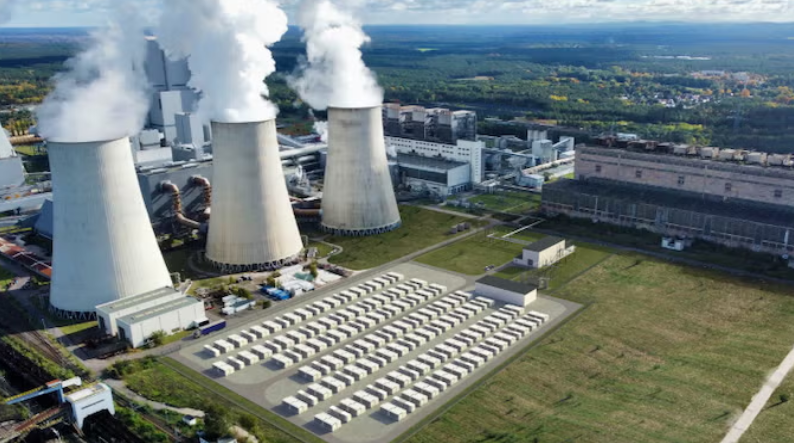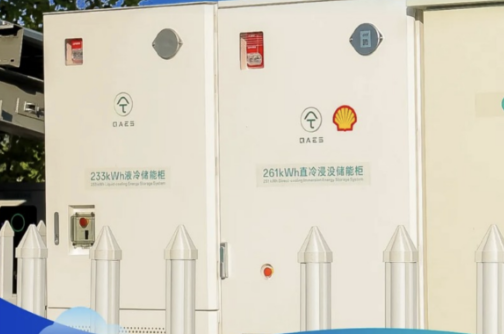
The two companies jointly unveiled what they call the world’s first “direct-cooled immersion” battery energy storage system (BESS) at an energy forum held in Chongqing on September 24. This new system is designed as a low-energy, high-safety alternative to the traditional air or cold-plate cooling technologies commonly used in grid-scale lithium-ion storage applications.
The innovation uses a specially formulated non-conductive cooling fluid that directly submerges the battery cells, maintaining optimal operating temperatures and reducing the risk of overheating or fire. By controlling temperature more evenly and efficiently, the system is expected to extend battery life and improve overall performance while lowering the amount of energy required for thermal management.
Shell (Shanghai) and QAES emphasized that the direct-cooled immersion system represents a significant step toward safer, more reliable, and more sustainable energy storage. The companies plan to conduct large-scale field tests to evaluate the system’s operational stability, cost-effectiveness, and suitability for various energy storage scenarios, including renewable power integration, grid balancing, and commercial energy management.
According to the companies, immersion cooling could help address key technical challenges faced by the global energy storage industry, such as heat management and safety risks associated with high-density lithium-ion batteries. By lowering the need for complex air circulation systems, the technology also reduces space requirements and overall maintenance costs.
The collaboration combines Shell’s global expertise in advanced energy solutions with QAES’s technical strength in energy storage design and manufacturing. Both parties aim to accelerate the development and commercialization of advanced cooling technologies to support the growing demand for high-performance, low-carbon energy storage infrastructure.
The launch of the direct-cooled immersion BESS demonstrates the potential for cross-sector innovation in the energy field. As China continues to expand renewable energy deployment and enhance grid flexibility, the partnership between Shell (Shanghai) and QAES is expected to contribute to improving the safety, efficiency, and sustainability of the nation’s energy storage systems.
Through this joint initiative, the two companies reaffirm their commitment to advancing next-generation energy storage technologies that align with global efforts to promote clean and reliable energy solutions.