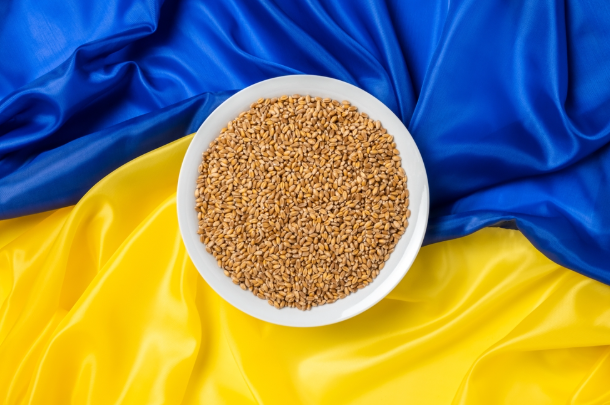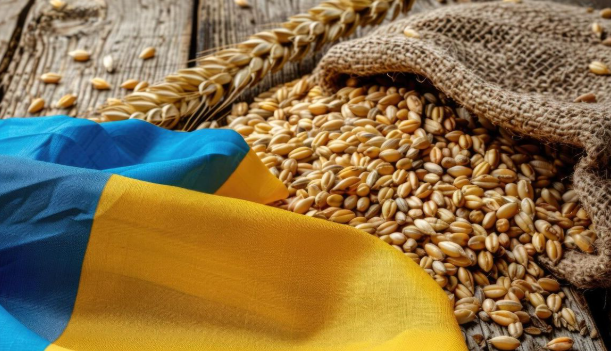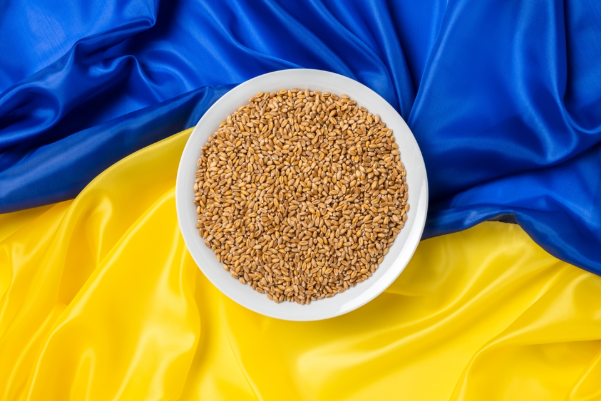
Wheat shipments led the export volumes, totaling 5 million 120 thousand tons during this period. This amount is 1 million 670 thousand tons lower, marking a 24.6% reduction from last year's levels. Wheat remains a cornerstone of Ukraine's agricultural output, serving as a key commodity in international trade. The decline reflects broader trends in supply dynamics and demand fluctuations, influencing food security discussions worldwide.
Barley exports stood at 939 thousand tons, showing a notable drop of 39.4% or the equivalent volume from the prior year. Additionally, rye shipments were minimal, with just 0.2 thousand tons dispatched to foreign markets. These figures underscore the varied performance across cereal types, where environmental factors and logistical considerations play significant roles in determining export feasibility.
Corn exports experienced the most substantial reduction, amounting to 974 thousand tons—a decrease of 2 million 146 thousand tons, which equates to 68.7% less than the previous year. As a major feed and industrial crop, corn's lower export volumes could impact global pricing and availability for importing nations reliant on Ukrainian supplies.
Flour exports complemented the grain shipments, with 16.9 thousand tons exported, equivalent to 22.5 thousand tons in grain equivalent terms. This represents a 23.5% decline, or 4.3 thousand tons fewer than last year. Flour, often derived from wheat processing, serves diverse markets and contributes to Ukraine's value-added agricultural exports.
Overall, the early-season data for MY 2025/26 illustrates a contraction in Ukraine's grain and pulses trade, with total volumes down significantly across most categories. This trend may stem from a combination of harvest yields, transportation constraints, and shifting buyer preferences in the international arena. The Ministry's reporting provides transparency into these developments, aiding stakeholders in planning and policy formulation.
Ukraine's agricultural sector continues to adapt to these circumstances, focusing on efficiency and diversification to sustain its role as a prominent supplier. Monitoring subsequent months will be essential to gauge whether these initial figures signal a persistent pattern or temporary adjustments. As global food systems evolve, such insights from key producers like Ukraine inform broader economic and nutritional strategies.