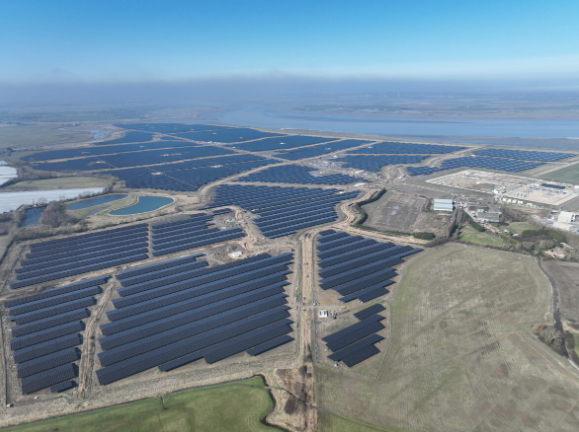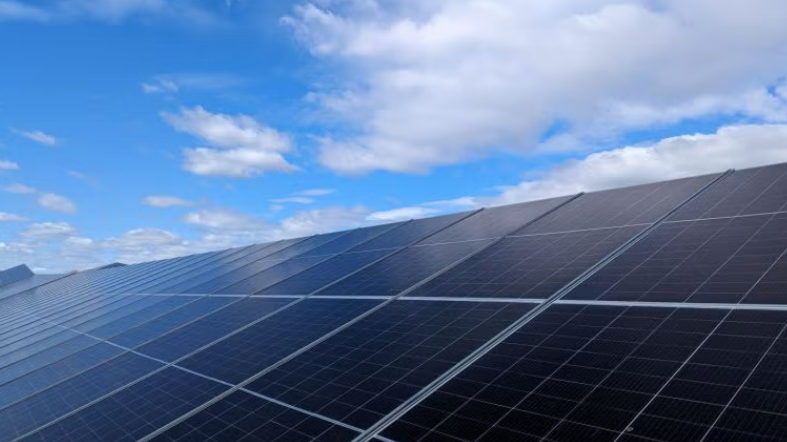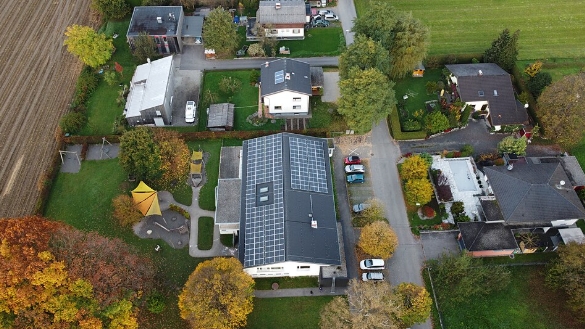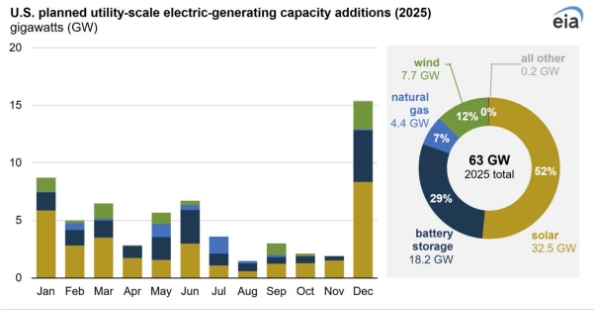
By the end of 2023, the U.S. had installed 91 gigawatts (GW) of solar capacity, which grew to 121 GW by the close of 2024. The EIA anticipates a 26.3% increase in 2025, bringing the total to 153 GW. In 2026, an additional 19.5% growth is expected, pushing cumulative capacity to 182 GW. This trajectory indicates that solar capacity will double within three years, a slight upward adjustment from the EIA’s previous projections.
Texas is set to lead solar installations in 2025, contributing approximately 11.6 GW, followed by California with 2.9 GW. Together, these states will account for nearly half of the new utility-scale solar additions. Five other states—Indiana, Arizona, Michigan, Florida, and New York—are each projected to add over 1 GW, collectively contributing 7.8 GW to the nation’s solar expansion.
Battery energy storage is also seeing remarkable growth, complementing the rise in solar power. In 2024, a record 10.3 GW of grid-scale storage was installed. The EIA forecasts an even larger increase for 2025, with 18.2 GW of new battery storage capacity, representing a 70% growth from the 26 GW accumulated by the end of 2024. This follows a 66% increase in 2024. California hosts about half of the country’s grid-scale storage capacity.
The EIA emphasized the role of storage in renewable energy systems: “This growth highlights the importance of battery storage when used with renewable energy, helping to balance supply and demand and improve grid stability.”
In 2024, solar and battery storage accounted for 81% of new grid capacity additions, with solar contributing 52% and storage 29%. Wind energy made up 12%, and natural gas added 7%. The combined growth of solar and storage underscores their critical role in enhancing the reliability and efficiency of the U.S. energy grid.
These developments reflect a broader trend toward sustainable energy solutions, with solar and battery storage playing pivotal roles in meeting rising electricity demands while supporting grid stability across the United States.