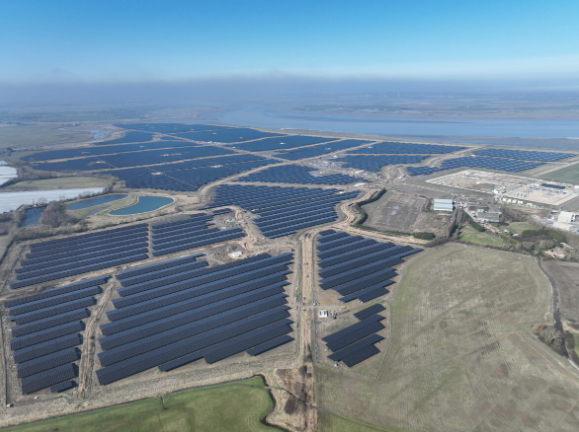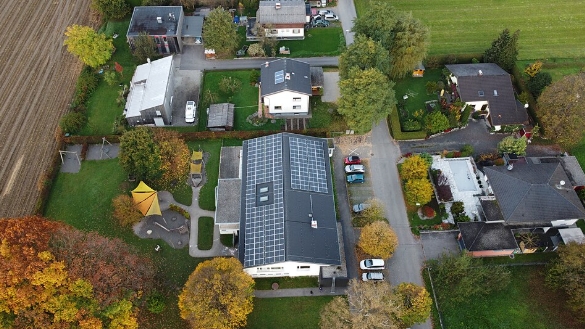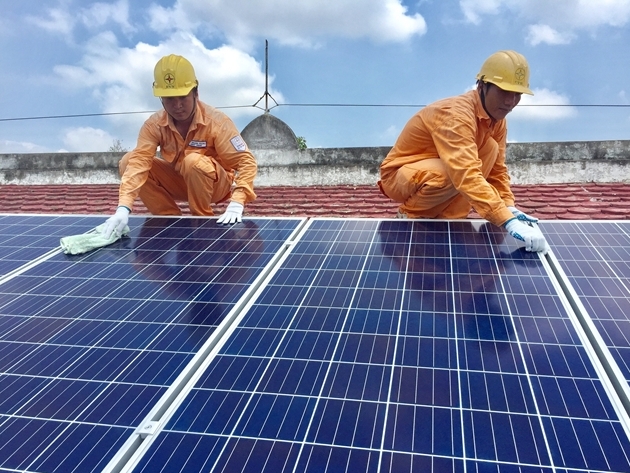
Electrical workers clean solar panels on household rooftops in Tây Ninh Province.
The U.S. Department of Commerce outlined that countervailing duties on solar cell and panel imports could reach up to 3,403.9% for Cambodia, 799.5% for Thailand, 542.6% for Vi?t Nam, and 168.8% for Malaysia. In 2024, these nations accounted for 77% of U.S. solar panel imports.
The tariffs stem from a year-long trade investigation prompted by U.S. solar manufacturers, including Hanwha Qcells, First Solar Inc., and smaller producers. The investigation examined claims that companies in Southeast Asia were engaging in practices that affected market fairness, following concerns about subsidies and product pricing.
The new tariffs pose challenges for the renewable energy manufacturing sector in the affected countries, with Vi?t Nam facing significant impacts due to its substantial solar equipment exports to the U.S. The increased costs may reduce the competitiveness of these manufacturers in the U.S. market.
To address these challenges, industry experts suggest that affected countries, including Vi?t Nam, explore alternative markets such as Europe, Japan, and Australia. Enhancing product competitiveness and aligning with international standards are seen as critical steps to navigate the evolving trade environment.
John Smith, a renewable energy analyst, commented: “The tariffs present a significant hurdle, but they also highlight the need for Southeast Asian manufacturers to diversify their markets and strengthen compliance with global trade standards.”
The finalization of these tariffs awaits a vote by the U.S. International Trade Commission (ITC) in June 2025, which will assess the impact on the U.S. domestic solar manufacturing sector. Until then, the tariffs will shape the strategies of renewable energy companies in the region as they adapt to the changing trade landscape.