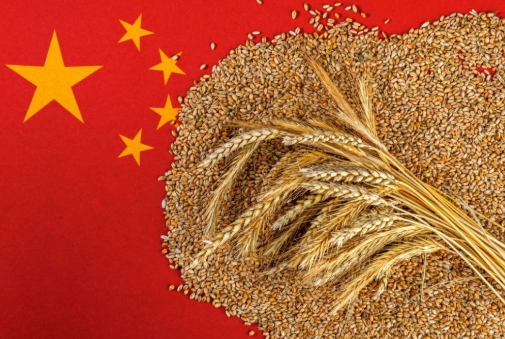
Imports from Ukraine plummeted 2,400 times, falling from $141.3 million to $60,000. Similarly, grain imports from Germany decreased 779 times to $44,000, from France 204 times to $1 million, and from Denmark to $337,000. Imports from Italy fell to $48,500, while Bulgaria’s grain exports to China dropped to zero from $67,000.
Grain imports from the Americas also saw substantial declines. Brazil’s exports decreased 17.5 times to $20.8 million, the United States saw an 11-fold reduction to $20.3 million, and Argentina’s supplies fell sixfold to $21 million. Other key suppliers experienced at least a twofold reduction, with Australia’s grain exports dropping 2.6 times and Canada’s 2.5 times.
Despite the overall decline, some countries increased their grain exports to China, primarily in rice. India’s grain exports surged 284 times to $13.8 million, Vietnam’s rose threefold to $46.5 million, and Thailand’s increased 1.5 times to $26.8 million. Myanmar’s exports grew by 30% to $18 million, and Cambodia’s also rose by 30% to $8 million. Additionally, Uruguay boosted its barley exports to China 67 times, reaching $11 million.
A Chinese customs official stated: “The shifts in grain import patterns reflect adjustments in market demand and supply dynamics, with a focus on diversifying sources to meet domestic needs.”
These changes highlight China’s evolving grain import strategy, balancing reductions from traditional suppliers with increased imports from select countries, particularly for rice and barley, to support domestic consumption requirements.