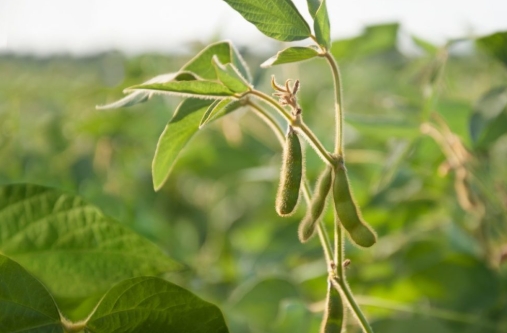
The SGMM model analyzes key plant indicators, such as chlorophyll concentration, to distinguish soybeans from other crops effectively. A lead researcher explained: “Our model accounts for local conditions and selects optimal timing and parameters for analysis, achieving an accuracy of 87.5–90.7%.” This high precision was verified through rigorous testing conducted in China, Argentina, Brazil, and the United States, confirming the model’s reliability across diverse agricultural regions.
The model’s ability to handle data heterogeneity and scale monitoring efforts makes it a valuable tool for crop forecasting. It provides farmers with accurate insights to optimize resource use, enhancing efficiency in agricultural practices. Additionally, the SGMM supports market analysis and environmental monitoring by delivering objective data, which can help detect activities such as unauthorized deforestation.
Another significant benefit of the SGMM is its adaptability. The model can be tailored for other crops and further refined using artificial intelligence, ensuring its versatility and long-term relevance. A scientist involved in the project noted: “SGMM’s flexibility allows it to evolve with technological advancements, offering sustainable solutions for global agriculture.”
By enabling precise monitoring of soybean cultivation, the SGMM contributes to informed decision-making in agricultural planning and environmental conservation. Its development reflects a commitment to leveraging technology for sustainable farming practices, benefiting both local farmers and global markets. The model’s successful testing across multiple countries highlights its potential to transform crop monitoring worldwide, fostering greater efficiency and environmental stewardship in agriculture.