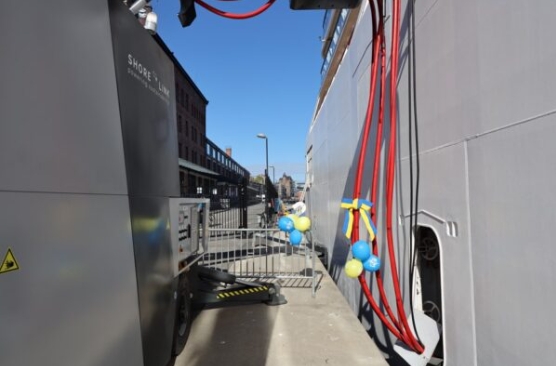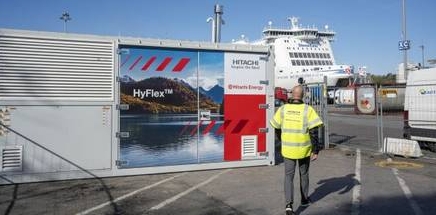
The trial tested a mobile hydrogen generator as an alternative to traditional on-shore power supply (OPS) systems, particularly for ports with limited infrastructure. This innovation aligns with the European Union’s upcoming requirement for certain vessels to use OPS by 2030, offering a flexible solution to meet environmental standards.
Port and industry representatives emphasized the project’s potential to reduce emissions and support the transition to sustainable energy. The collaborative effort showcased Gothenburg’s commitment to advancing green technologies, building on its established leadership in OPS. The port is also exploring broader hydrogen applications, including refueling trucks and powering heavy machinery, to enhance its sustainability initiatives.
A spokesperson for the port stated: “As OPS becomes mandatory in the EU for certain vessel types by 2030, mobile hydrogen generators could close the gap.” This pilot demonstrates a practical approach to providing clean power to vessels, addressing infrastructure challenges while maintaining operational efficiency.
The Gothenburg trial marks a significant step in integrating hydrogen-based solutions into port operations. By powering ferries with green hydrogen, the project contributes to reducing the maritime sector’s environmental footprint and supports the port’s goal of fostering innovative, low-carbon technologies. The success of this initiative could pave the way for wider adoption of hydrogen generators in ports globally, strengthening the infrastructure needed for a cleaner maritime industry.