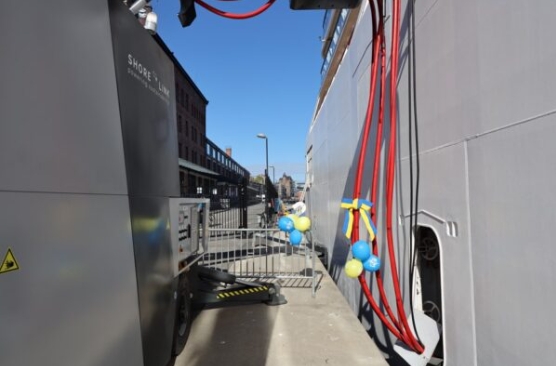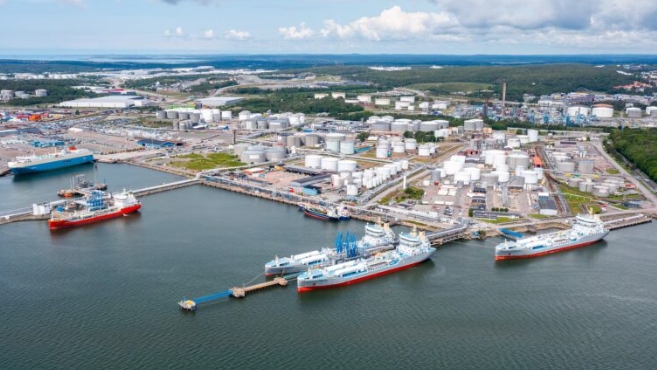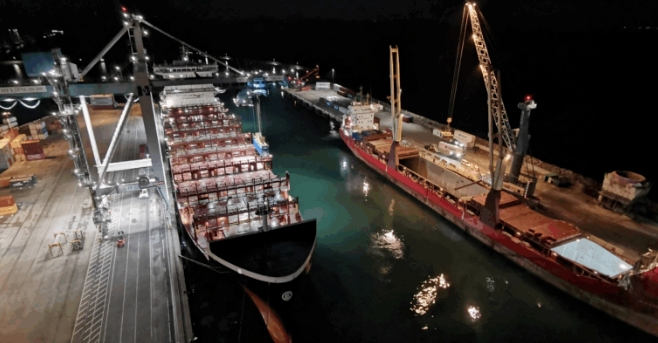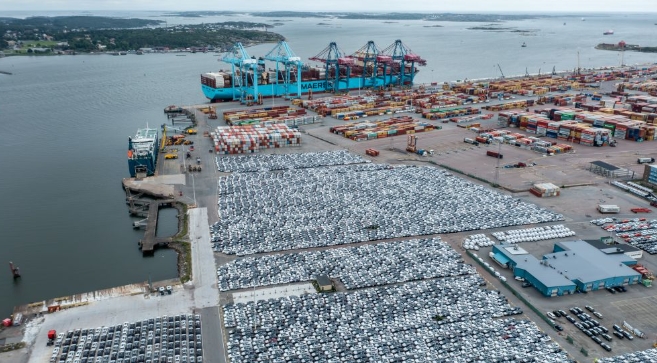
The 19 MVA transformer station will enable shore power connections for five berths at the container terminal and two at the car terminal, with each berth supporting 4 MVA or the option to combine outputs for higher capacity. This infrastructure will allow vessels to use quay-side electricity instead of fossil fuels while docked, reducing emissions of carbon dioxide, sulfur oxides, and nitrogen oxides. The Port of Gothenburg estimates that connecting container vessels alone could cut CO2 emissions by at least 5,600 tonnes annually.
The initiative is co-funded by the EU’s Connecting Europe Facility, which provides around €8 million in support. The total investment for shore power systems, including cables and switchgear for the seven berths, is estimated at €52.8 million. This development aligns with upcoming EU regulations, effective from 2030, mandating ships over 5,000 gross tons to use shore power while berthed. The port already has shore power facilities at its Ro-Ro, Ro-Pax, and Energy terminals.
Magnus Nordfeldt, Head of Business Area Cargo at the Port of Gothenburg, stated: “This transformer station is an important milestone that brings us significantly closer to shore-side power connection for container and car/RoRo vessels. It enables electrical connection at a total of seven berths – five at the container terminal and two at the car terminal.”
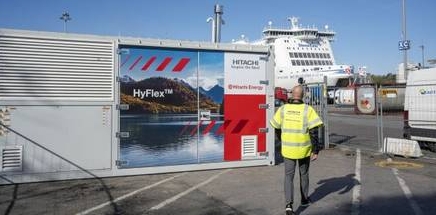
Additionally, the port recently conducted a two-week pilot test using a green hydrogen-powered generator to supply electricity to Stena Line’s vessels, Stena Germanica and Stena Scandinavica, at its existing shore power facility. The trial demonstrated the potential of mobile hydrogen solutions to reduce port emissions, supporting the EU’s 2030 shore power requirements.
By expanding its shore power capabilities, the Port of Gothenburg aims to enhance environmental performance and comply with future regulations, contributing to cleaner maritime operations.