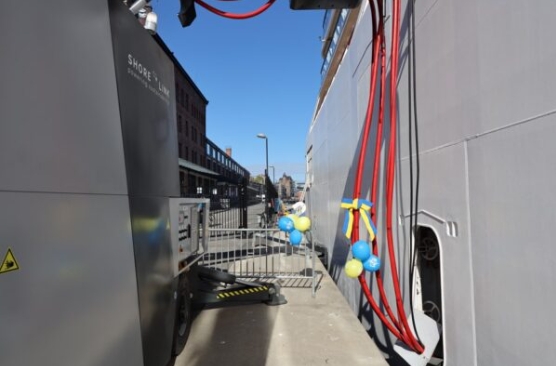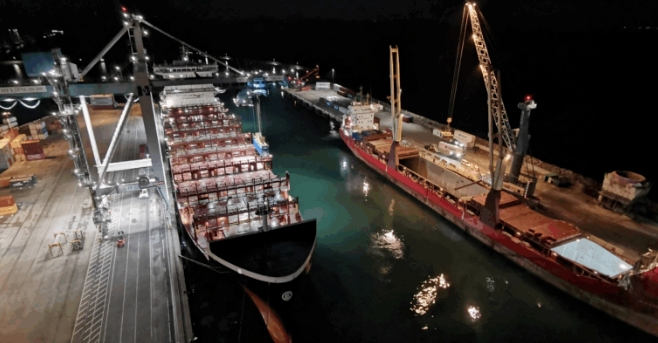
This initiative follows a 2019 Environmental Permit Authority ruling requiring the port to provide shore power for container vessels within seven years. Developed in collaboration with Actemium, the OPS facility will complement the port’s existing shore power system for ferries. With a capacity of up to 3.5 megawatts, the facility is designed to meet the energy needs of a typical feeder container ship and comply with international standards.
Bart Steijaert, CEO of the Port of Helsingborg, stated: “Being able to connect to electricity immediately upon arrival is something we’ve long called for. It significantly reduces our port-side emissions and helps us reach our own climate targets.” This development marks a key step in the port’s efforts to reduce emissions and support sustainable maritime operations.
Gunnlaugur Grettisson, Managing Director of Eimskip Sweden, a Helsingborg-based logistics provider, added: “This new development was a major milestone in the port’s climate transition, given that it could provide the necessary springboard for a fossil-free future.” The OPS facility is expected to enhance environmental performance by reducing reliance on fossil fuels during vessel docking.
Across Europe, shore power adoption has progressed slowly. A study by DNV for Transport & Environment noted that only 20% of the EU’s required shore power infrastructure is currently installed in major ports, with most container ships, cruise ships, and ferries still using fossil fuels while docked. To meet 2030 climate goals, the EU needs to significantly expand its shore power capacity. Several northern ports, including Hamburg, Gothenburg, Bremerhaven, Stockholm, and Aarhus, have secured EU funding through the Connecting Europe Facility to develop OPS for container ships by 2030.
In Sweden, the Port of Stockholm launched its first shore power facility for cruise vessels in September 2024, followed by a second in May 2025. Hamburg plans to require cruise ships to use shore power starting in 2027. The Port of Helsingborg’s initiative reflects a broader commitment to sustainable port operations, supporting regional and EU environmental objectives.