The resumption of shipments began on April 25, ahead of a planned visit by Brazilian President Luiz Inacio Lula da Silva to China. The five companies—Terra Roxa Comercio de Cereais, Olam Brasil, C.Vale Cooperativa Agroindustrial, Cargill Agricola S.A., and ADM do Brasil—were suspended in January but now hold “normal” registration status in China’s customs database. The database does not specify the exact resumption date or prior status details.
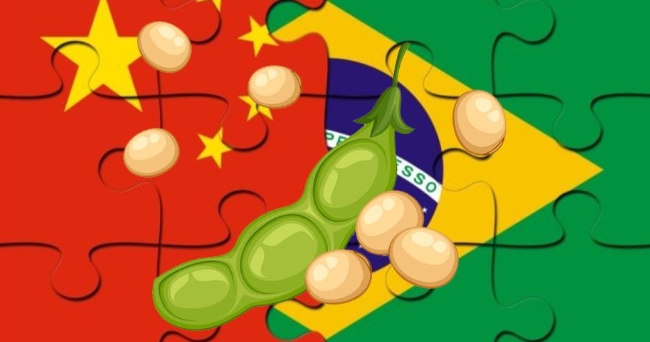
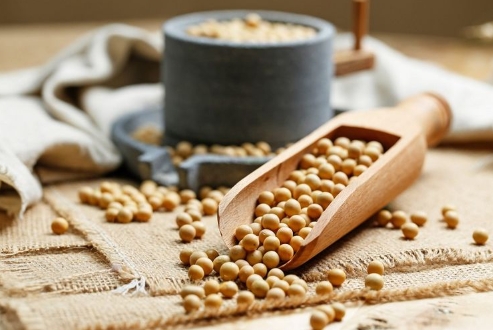
Last month, Brazil’s Ministry of Agriculture shared information with Chinese officials to address concerns about the suspended firms, facilitating the restoration of trade. China purchases over 60% of globally traded soybeans, with Brazil’s share significantly outweighing other suppliers. In 2024, China imported a record 105.03 million metric tons of soybeans, including over 74 million tons from Brazil. A strong harvest in Brazil is expected to further increase China’s soybean imports in the second quarter.
A spokesperson from Brazil’s Ministry of Agriculture stated: “We are pleased to resolve the phytosanitary concerns with our Chinese partners, ensuring the continued flow of high-quality soybeans to meet global demand.”
The resumption strengthens the robust trade relationship between China and Brazil, supporting China’s demand for soybeans used in food, animal feed, and industrial products. The move aligns with efforts to maintain stable supply chains amid global market dynamics. Representatives from Archer-Daniels-Midland Co, Cargill Inc, Terra Roxa Comercio de Cereais, and other involved companies, as well as China’s General Administration of Customs and the Brazilian Embassy, did not provide comments.
This development highlights the importance of Brazil as a reliable supplier for China’s agricultural needs, with the five companies playing a key role in meeting the country’s substantial soybean consumption. The restored trade is expected to support economic cooperation and ensure a steady supply of soybeans to China’s markets, contributing to global food security and trade stability.