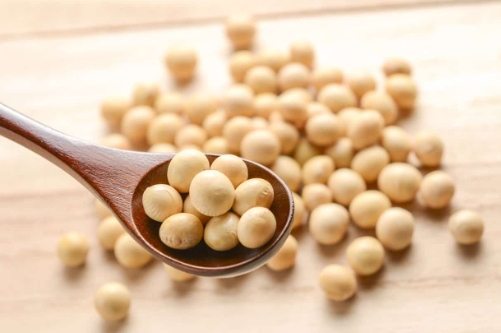
The prolonged customs delays, extending cargo transit from ports to processing plants to 20–25 days from the typical 7–10 days, disrupted China’s oilseed processing sector. This bottleneck, observed from April through early May, reduced soybean meal availability for the country’s extensive livestock industry. A trader, speaking anonymously due to the issue’s sensitivity, stated: “Processing operations have been hit.”
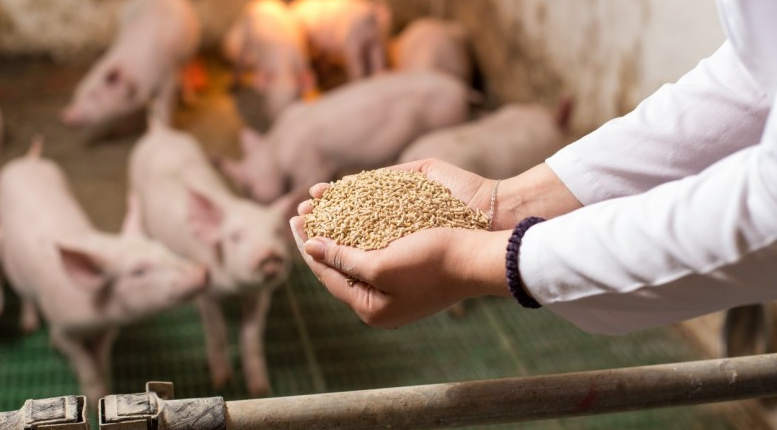
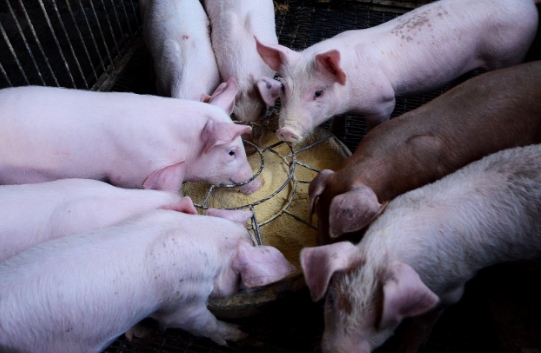
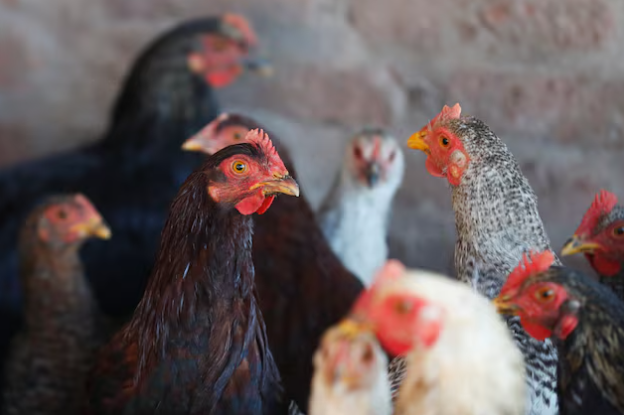
In northern and northeastern China, several processing facilities scaled back production or halted operations entirely in early May due to cargo backlogs. Some feed mills, facing depleted stocks, resorted to purchasing costly soybean meal on the spot market, according to industry sources. These disruptions strained supply chains, impacting feed production for livestock.
Despite these challenges, the processing sector is showing signs of recovery. However, industry participants remain cautious about potential port congestion if clearance delays persist. From January to April 2025, China imported 23.19 million metric tons of soybeans, a 14.6% decrease from the 27.15 million tons recorded in the same period of 2024, reflecting ongoing supply constraints.
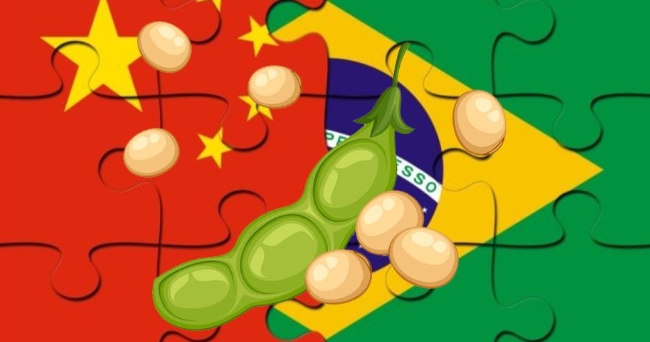
Analysts and traders anticipate a significant rebound in soybean imports for May and June, projecting monthly volumes of approximately 11 million metric tons. This expected increase is driven by the arrival of Brazil’s newly harvested crop, which should ease supply pressures. Brazil’s grain exporters’ association, Anec, noted that May exports could reach 12.6 million tons, potentially supporting higher shipments to China.
The April downturn highlights the critical role of efficient logistics in maintaining China’s soybean supply chain, essential for its livestock and feed industries. The projected import surge in the coming months signals a return to robust trade flows, bolstered by Brazil’s harvest recovery and improved port operations.
This development underscores the importance of streamlined customs processes and reliable international partnerships to support China’s agricultural sector. As the market stabilizes, stakeholders are focused on preventing future disruptions to ensure consistent supply for the nation’s growing demand.