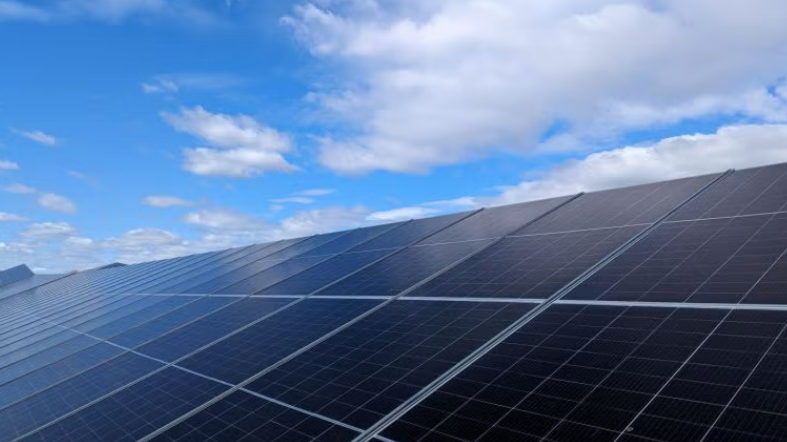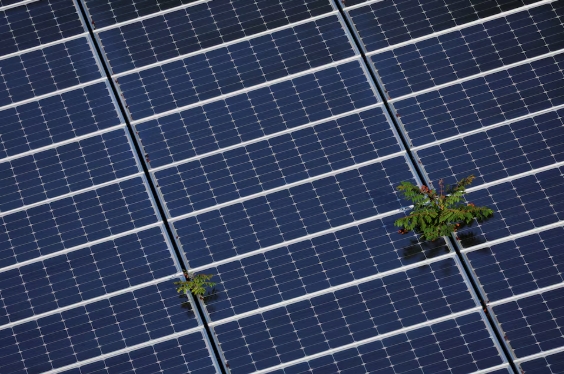
Plants grow through an array of solar panels in Fort Lauderdale, Florida, U.S., May 6, 2022.
The SEIA released an analysis on Monday highlighting concerns that the legislation would reduce clean energy tax incentives more quickly and place new limits on the use of components made in China. The group is currently working to persuade lawmakers to preserve existing clean energy credits.
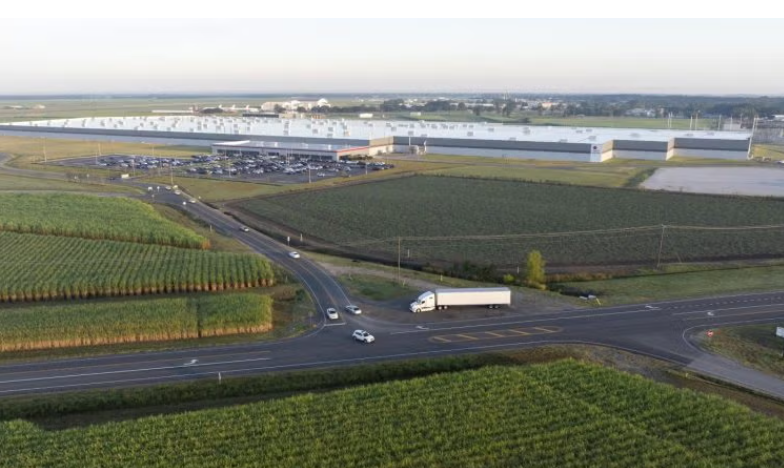
SEIA President Abigail Ross Hopper issued a statement emphasizing the potential effects: “If this proposal becomes law, nearly 300 U.S. factories—mostly in red states—could close or never open, and we simply won’t have the energy we need to power American innovation in AI and data centers.”
The legislation in question targets elements of the Inflation Reduction Act, a climate-focused law enacted during President Joe Biden's administration. The Act includes subsidies for solar, wind, hydrogen, and other technologies aimed at reducing emissions. A large portion of the factories that benefit from the tax incentives under the law are located in states that supported former President Donald Trump in the 2020 election.
According to SEIA estimates, if the proposed changes are implemented, the U.S. solar and storage industry could lose $220 billion in projected investments by 2030. The job losses would include 292,000 positions, with 86,000 of those in the manufacturing sector.
Under current policy, solar and energy storage technologies are expected to account for approximately 73% of new electric capacity in the United States between 2025 and 2030. This makes the industry a significant component in addressing growing energy needs, especially with increasing demand from sectors like artificial intelligence and data infrastructure.
Looking ahead, SEIA is calling on Congress to amend the proposed legislation. The bill has not yet become law and must go through further legislative review before any final decisions are made.