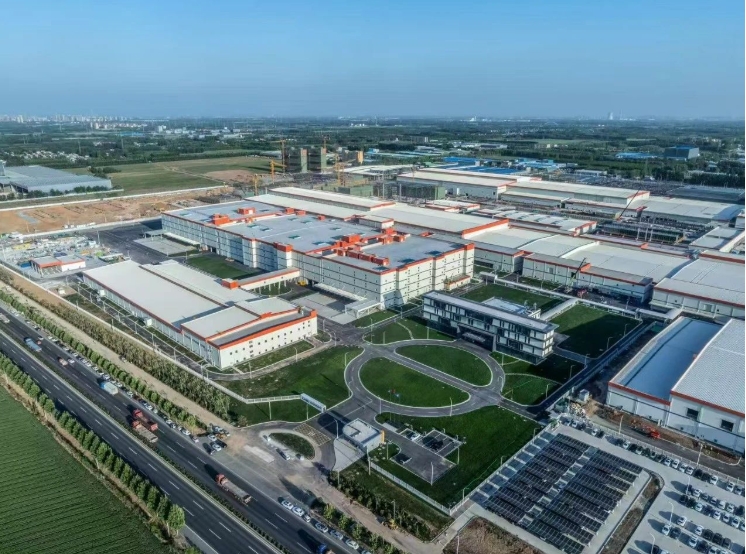
The base, spanning over 800 mu (approximately 53 hectares) with 520,000 square meters of floor space, began operations with Phase I, which has a planned capacity of 60 GWh. It integrates smart production and living support infrastructure. Phases II and III, set to launch within two years, will establish a globally significant new energy battery industrial cluster valued at hundreds of billions of yuan. Robin Zeng, CATL’s Chairman and CEO, stated: “Leveraging our strengths in product and technology, alongside our carbon-reduction experience, CATL aims to build an efficient, clean, and safe zero-carbon industrial ecosystem.”
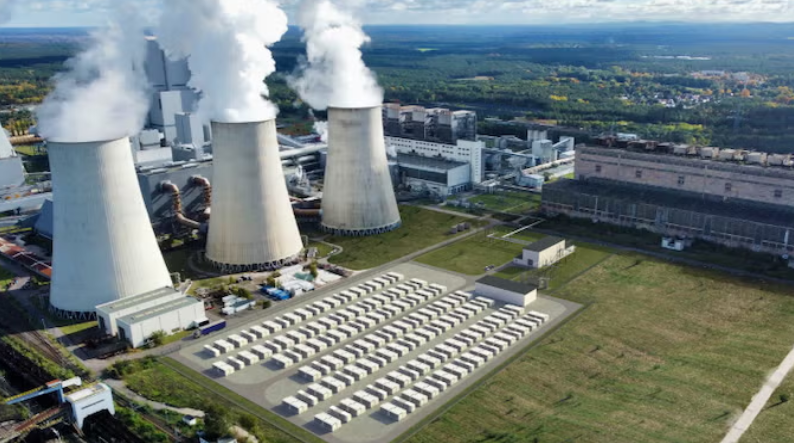
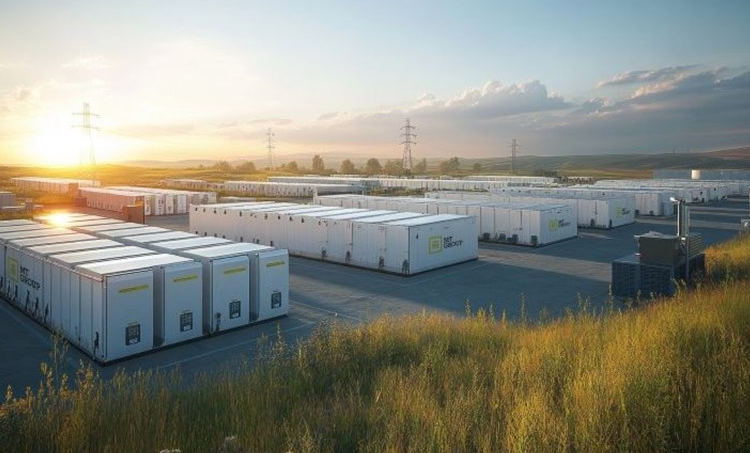
Complementing the facility, CATL is developing a 1.8-billion-yuan photovoltaic project in Yanzhou with a 450 MW capacity, of which 317 MW is grid-connected, generating 580 million kilowatt-hours to date. Additionally, a 900-million-yuan shared energy storage station (200 MW/400 MWh) completed its first phase (100 MW/200 MWh), delivering 68 million kilowatt-hours. A company representative noted: “The project establishes a complete new energy industry chain, integrating green energy supply on the front end with battery application scenarios on the back end.”
Since investing in Shandong in 2022, CATL has strengthened its regional presence. On the launch day, CATL signed agreements to collaborate with Jining city on a zero-carbon city initiative, work with Shandong’s Department of Transportation on battery-swap models, develop a new energy industrial park with Jining’s government, and partner with Jining Port and Shipping Development Co. Ltd. to create a green, intelligent shipping route along the Beijing-Hangzhou Grand Canal.
CATL plans to expand its Shandong initiatives, including pilot zones for battery-swap networks, low-altitude economy development in the Bohai Rim, electrification of inland and coastal shipping, and the Dongying Zero-Carbon Industrial Park, fostering sustainable, high-quality growth in the province.