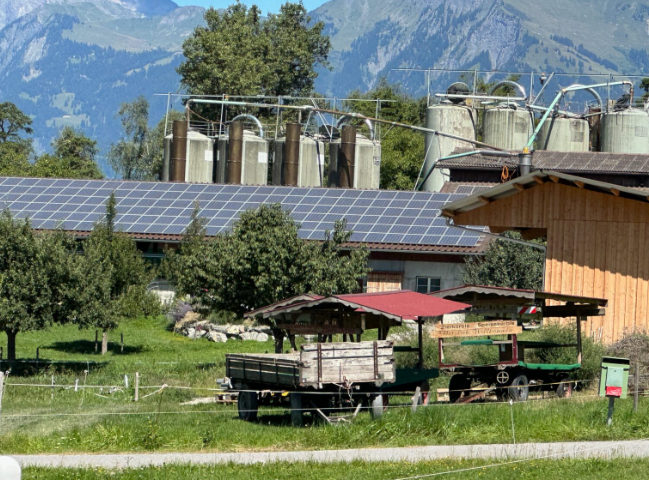
In the first quarter of the year, Italy added 1,244 MW of new solar capacity. This represents a decline compared to the same period in 2024, when 1,527 MW were deployed. Despite this reduction, the growth pace remains significant and aligns with medium-term targets.
Anie Rinnovabili noted that if the current rate of deployment continues through the coming quarters, Italy could install approximately 6 GW of new PV capacity in 2025. This would bring the country closer to fulfilling the target set by the DM Aree Idonee plan, which outlines the addition of around 23 GW of PV capacity between January 2021 and December 2025.
However, the association also emphasized that this growth rate still falls short of meeting the more ambitious long-term targets. Specifically, the country’s Integrated National Energy and Climate Plan (PNIEC) aims to reach annual PV capacity additions of 10 GW to meet its 2030 renewable energy goals. According to Anie Rinnovabili, this remains a significant gap.
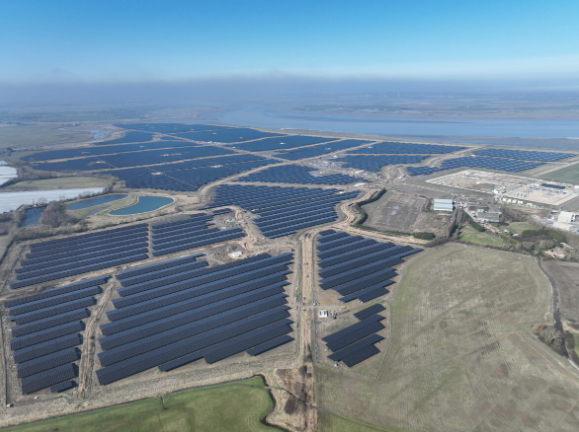
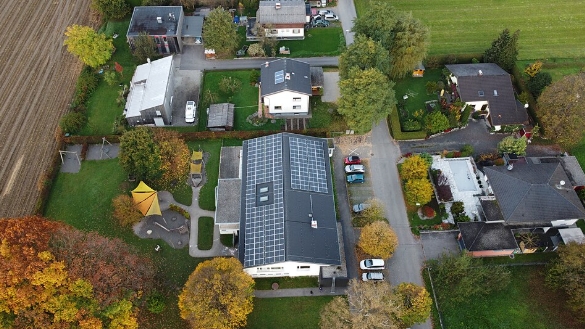
Market trends in the first quarter of 2025 showed a notable increase in utility-scale solar projects. This segment experienced growth rates of 4% and 28%, depending on system size. In contrast, the residential and commercial & industrial (C&I) segments recorded declines of 39% and 30%, respectively. This shift in demand suggests that larger-scale installations are currently driving market expansion, while smaller-scale systems face challenges.
Overall, solar demand during the first quarter declined by approximately 19% compared to the same period last year. The association attributed the slowdown in the residential and C&I segments to a combination of reduced incentives and regulatory adjustments, which may have impacted investment decisions and project timelines.
Despite the recent drop in quarterly figures, Italy’s overall progress in solar deployment positions the country as one of the leading PV markets in Europe. The steady increase in utility-scale capacity supports the broader goal of expanding clean energy generation, though further measures may be needed to boost contributions from smaller segments and achieve long-term climate objectives.
Looking ahead, maintaining a consistent deployment pace and ensuring supportive policy frameworks will be crucial in bridging the gap between current progress and the PNIEC's 2030 targets.