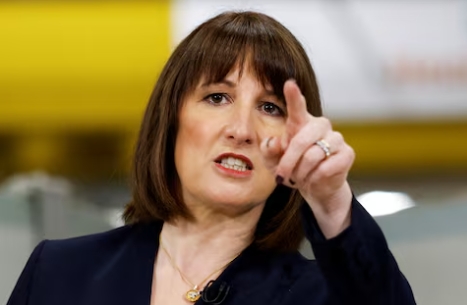
Britain's Chancellor of the Exchequer Rachel Reeves speaks about her plans for Britain's economy in Eynsham, Britain, January 29, 2025.
The investment targets urban areas that have faced long-term underfunding and delayed infrastructure projects. The Labour government, led by Prime Minister Keir Starmer, aims to address public demand for improved services following recent local election challenges. The funds, primarily allocated by the previous Conservative government under Rishi Sunak after canceling part of a high-speed rail project, will support transport initiatives from 2027/28 to 2031/32.
Reeves emphasized the need for balanced regional development, stating: “A Britain that is better off cannot rely on a handful of places forging ahead of the rest of the country.” She noted that uneven growth has widened regional disparities, with outdated transport links contributing to lower productivity in cities outside London compared to similar economies, as highlighted by organizations like the OECD.
The funding will support metro network expansions in the West Midlands, Greater Manchester, the North East, and South Yorkshire, alongside a new mass transit system for West Yorkshire, a region with 2.3 million residents. These projects aim to enhance connectivity and stimulate local economies. Jonny Haseldine, head of business environment at the British Chambers of Commerce, said: “These projects can then give firms involved in the supply chains real confidence to start planning and investing in their local economies.”
This Spending Review is the first multi-year budget plan since 2015, excluding a 2021 review focused on the COVID-19 pandemic. The Institute for Fiscal Studies, a non-partisan organization, described it on June 2 as potentially “one of the most significant domestic policy events” for the Labour government. The initiative seeks to address longstanding infrastructure gaps and foster economic growth across Britain’s regions.