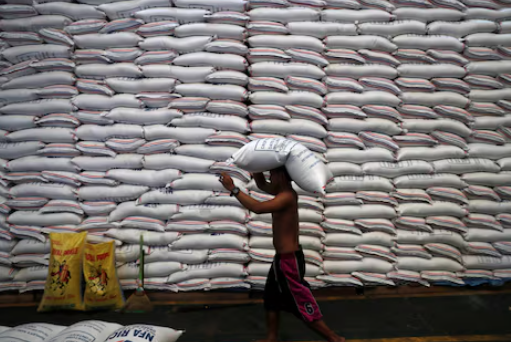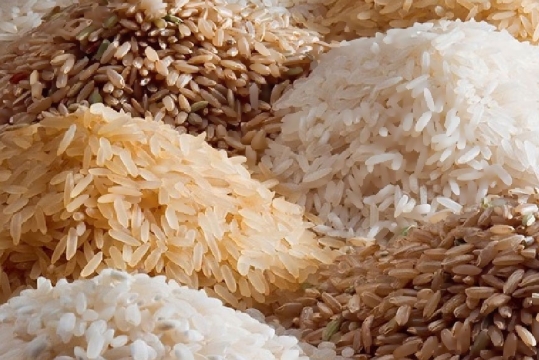
As the world’s largest rice importer, the Philippines is actively working to broaden its supplier base to ensure stable supply chains and competitive pricing. Agriculture Secretary Francisco Tiu Laurel stated: “Discussions are underway with private importers to source rice from countries including India, Pakistan, Cambodia, and Myanmar, with potential deals also possible with Indonesia and Thailand.” These efforts aim to reduce reliance on Vietnam, which, while a dependable supplier, poses risks due to its dominant 90% share of the import market.
Recent increases in rice prices from Vietnam, driven by heightened demand from both domestic and international markets, have reached a three-month high. This underscores the need for diversified sourcing to mitigate potential supply disruptions and stabilize costs for consumers in the Philippines.
President Ferdinand Marcos Jr. has prioritized affordable rice prices to support food security. In 2024, he reduced rice import tariffs from 35% to 15% and declared a food security emergency to address inflation. These measures contributed to lowering inflation to its lowest level since 2019, creating opportunities for potential interest rate reductions to further support economic stability.
Looking ahead to 2025, Secretary Laurel projects that rice imports will drop below 4.5 million tons, below the USDA’s estimate of 5.4 million tons. Meanwhile, domestic rice production is expected to reach a record 20.46 million tons, reflecting efforts to boost local output and reduce import dependency.
In addition to import strategies, the Philippines benefits from favorable export conditions, with a 17% tariff on shipments to the United States. This enhances the competitiveness of Filipino products, such as seafood, in international markets, supporting economic growth and trade diversification.
The Philippines’ focus on diversifying rice suppliers while increasing domestic production demonstrates a balanced approach to food security and economic resilience. By fostering partnerships with countries like India, Pakistan, and others, alongside leveraging Vietnam’s reliable supply, the country aims to ensure stable access to rice while promoting sustainable agricultural development.