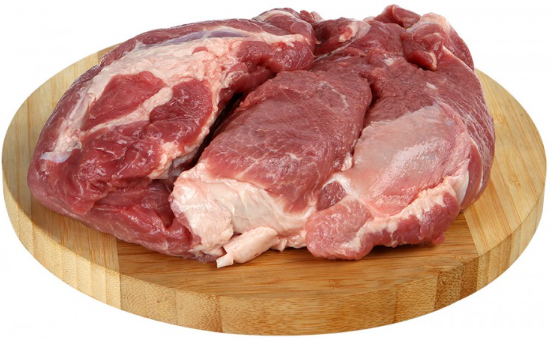
The Philippine government, through the Department of Agriculture, has supplied breeding stock, supported high-safety farm construction, and promoted vaccines such as the Vietnamese AVAC vaccine. Rapid diagnostic kits for ASF have also been developed to improve disease management and herd restoration. Despite these measures, domestic pork demand continues to exceed local supply. Consumption is projected to rise 4% in 2026, driven by population growth, expected to reach nearly 122 million, and expanding economic activity. Pork remains a staple protein source, putting pressure on prices and prompting government interventions, though maintaining maximum price levels has proven challenging due to low market activity.
As a result, the Philippines has become a strategic market for international meat suppliers. Pork imports are expected to reach 700,000 tonnes in 2025, a 7% increase. Brazil leads as the largest supplier, providing over half of imports in the first half of 2025, followed by the European Union, Canada, and the United States. Brazil’s competitive pricing and improved market access make it a key partner, while some European countries and Canada have experienced declining export volumes.
The beef sector is more stable, with production remaining at around 182,000 tonnes due to structural limitations such as smallholder-dominated farms and conversion of agricultural land to urban use. Efforts to improve herd genetics via artificial insemination and live imports continue, but significant expansion remains constrained. Domestic beef consumption is expected to grow 2% in 2026, fueled by increased restaurant demand, diversified diets, and preference for processed meat products. Beef and buffalo imports are projected to rise 3% by 2026, reaching 300,000 tonnes, with Brazil, Australia, India, the United States, and New Zealand as leading suppliers, some benefiting from preferential tariffs.
The country’s trade policies, including temporary reductions in pork import duties until 2028, have supported international meat flows, helping to stabilize prices and maintain supply during shortages. Meat producers increasingly rely on cold storage for imported products to mitigate risks associated with disease outbreaks and global logistical disruptions.