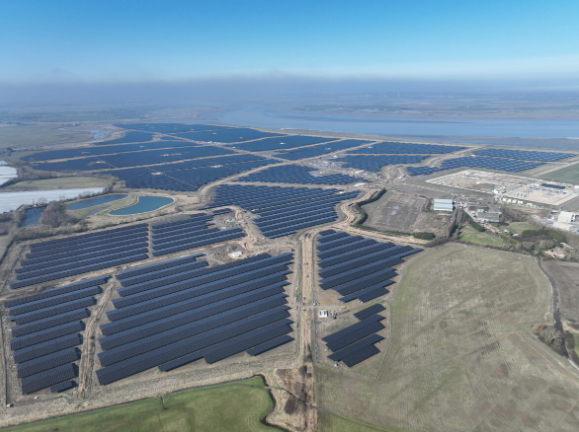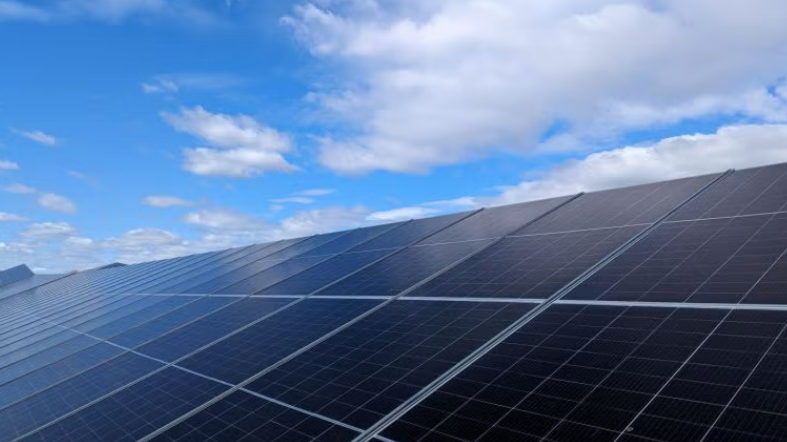
According to NEA data, China’s total power generation capacity stood at 3.61 TW by the end of May 2025, reflecting an 18.8% rise from the prior year. Solar power led as the fastest-growing sector, fueled by unprecedented installations in the first five months of 2025. From January to May, China added 197.85 GW of new solar capacity, a 388.03% surge compared to the same period in 2024. In May alone, new installations reached 92.92 GW, up 105.48% from April, setting a record for the highest monthly addition.
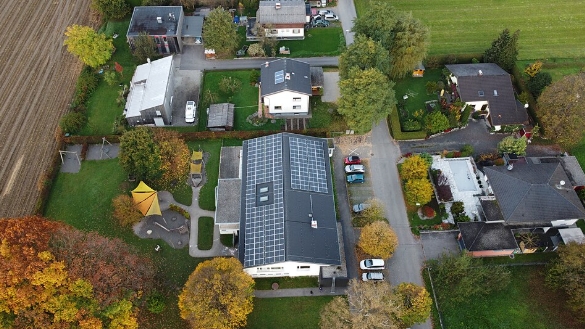
Industry experts highlight supportive government policies as a key driver of this growth. Initiatives promoting distributed solar and enabling renewable energy participation in electricity market trading have accelerated installations. Many projects were completed early in 2025 to align with anticipated policy adjustments later in the year. An analyst noted: “The favorable regulatory environment has significantly boosted solar deployment across the country.”
China’s solar journey began with the Golden Sun Program in 2010, which initiated the distributed solar sector and achieved the first 1 GW of installed capacity. By mid-2013, cumulative capacity grew to 10 GW, driven by a focus on domestic utility-scale projects, particularly in the northwest. The top-runner program, introduced later, further accelerated growth by encouraging technological advancements and efficiency. By June 2017, China’s solar capacity surpassed 100 GW, a tenfold increase in just four years. The milestone of 1 TW in 2025 underscores China’s position as a global leader in solar energy.
Looking ahead, market observers caution that installation rates may moderate in the second half of 2025 as policy-driven momentum subsides. Research firms project a potential slowdown in new capacity additions, though solar remains a cornerstone of China’s energy strategy.