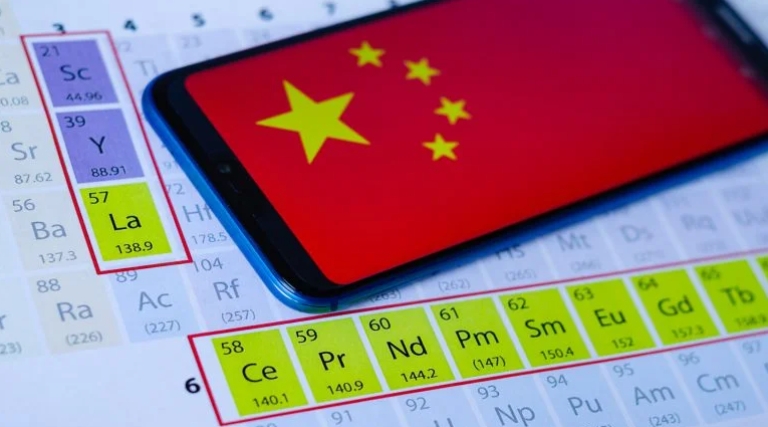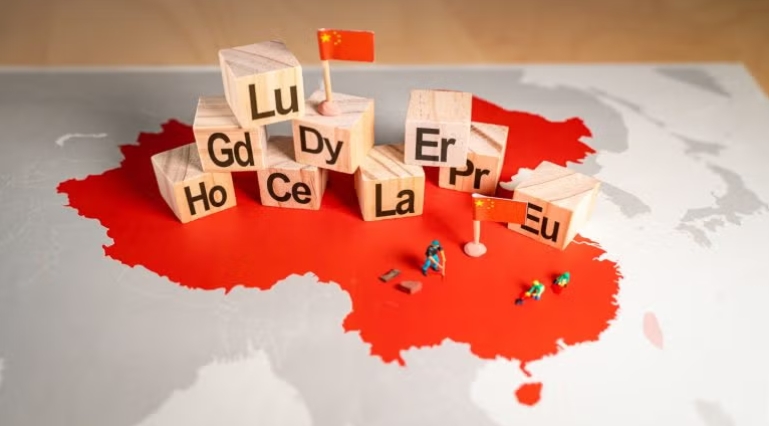
The agreement was formalized following trade talks held in Geneva in May, where China committed to lifting non-tariff restrictions imposed on the U.S. since April 2. These restrictions had disrupted the supply of critical minerals and magnets, affecting global manufacturers. The new understanding, reached earlier this week, outlines specific measures to resume and accelerate rare earth exports to the U.S., according to a White House official.
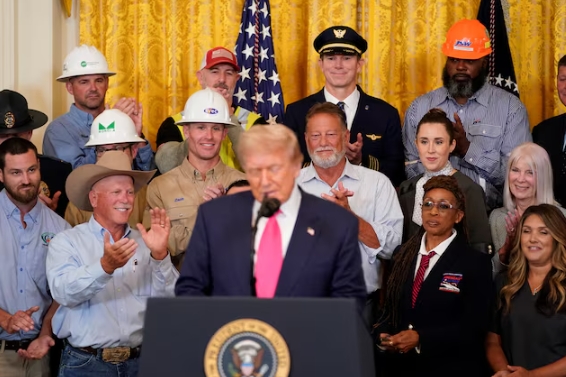
U.S. President Donald Trump, speaking at a White House event in Washington, D.C., on Wednesday, June 25, 2025, confirmed the agreement’s signing. U.S. Commerce Secretary Howard Lutnick, quoted by Bloomberg, stated: "They’re going to deliver rare earths to us," adding that once deliveries resume, the U.S. would remove its countermeasures.
The agreement addresses China’s export controls, which had slowed the licensing process for rare earth shipments. China has been carefully vetting buyers to ensure materials are not used for U.S. military purposes, according to an industry source. Earlier in June, China granted temporary export licenses to suppliers for the top three U.S. automakers, signaling initial efforts to ease supply chain disruptions.
This understanding marks progress in U.S.-China trade relations, which have faced challenges since January. However, broader trade negotiations continue, as both nations work toward a comprehensive agreement. The U.S. had previously imposed export controls on items like semiconductor design software and aircraft in response to China’s restrictions on critical minerals.
The agreement also includes provisions for educational exchanges, with China agreeing to supply rare earths and magnets while the U.S. facilitates access for Chinese students to its universities. This step reflects efforts to balance economic and diplomatic priorities.
China’s embassy in Washington has not yet commented on the agreement. While the deal shows promise for stabilizing critical supply chains, it highlights the ongoing complexities in achieving a lasting trade resolution between the two nations.