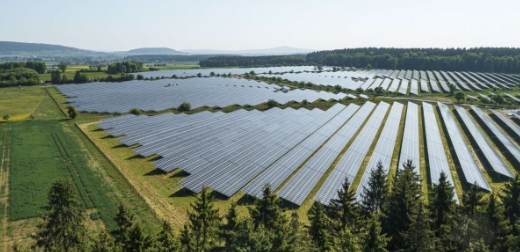
“In just five years, we were able to bring this major energy infrastructure project from the initial planning approval to the power feed-in – on schedule and below the projected costs,” said EnBW CEO Georg Stamatelopoulos.
EnBW estimated the project costs in the mid-double-digit million euro range, but did not provide specific figures. Initial costs were undercut by around 10%. “The basis for this was laid by the strategic procurement of components and required services through purchasing, for example, by bundling orders across projects,” said EnBW.
The company claimed that close coordination with the general contractor and rapid approval processes, such as for the substation, helped prevent expensive delays.
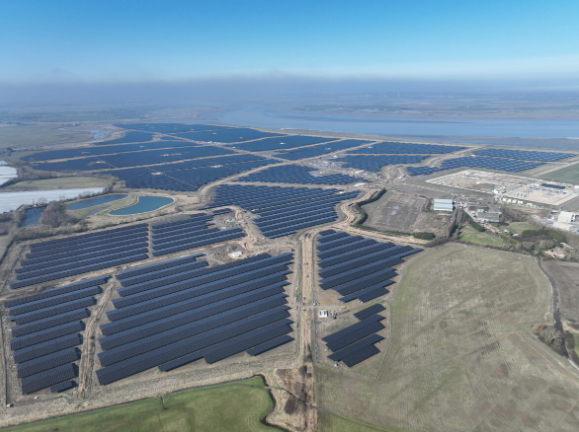
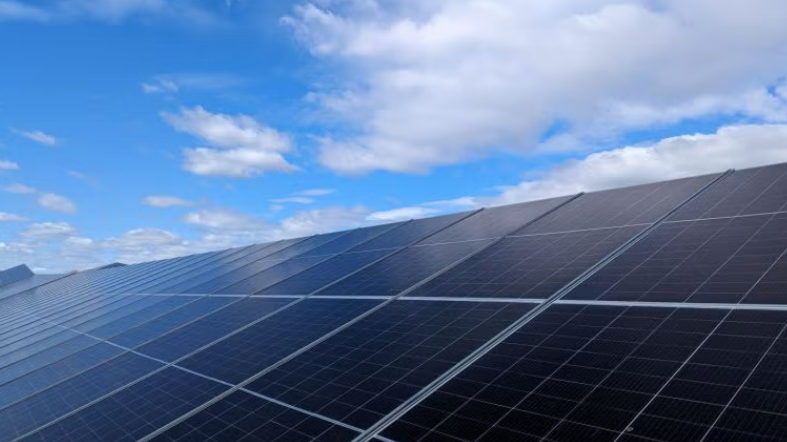
EnBW said the construction phase of the solar park, which includes 146,016 solar modules, took more than a year. The company managed the project without government subsidies, with the photovoltaic power plant operating on the spot market.
The municipality will benefit from the revenue. In addition to trade tax, it will also receive a municipal levy, said EnBW. The amount depends on electricity fed into the grid and market prices. EnBW expects an annual payment in the low six-figure range to flow to the municipality. Residents were able to participate in the project through a subordinated loan.
EnBW said it implemented various measures to protect and promote local flora and fauna during construction. Preservation of existing orchards was important to the municipality. EnBW also planted around 750 additional shrubs and trees and created 30 ponds.