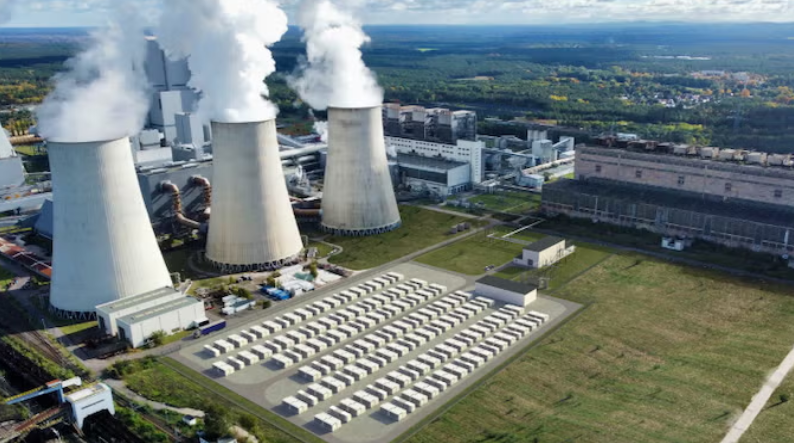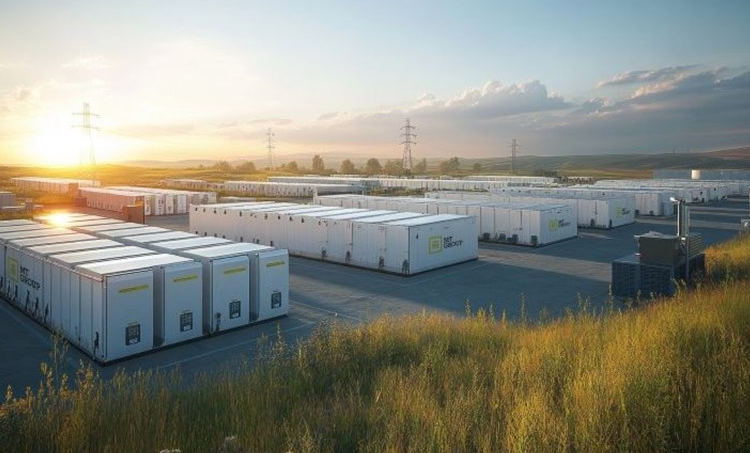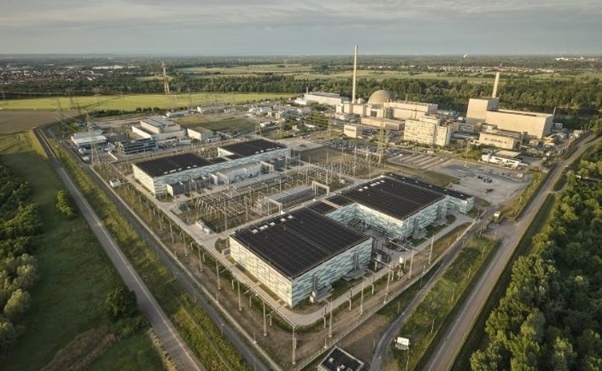
According to EnBW, the system will have the capacity to cover the daily electricity consumption of approximately 100,000 households. The battery storage will be built adjacent to the ultranet converter station operated by TransnetBW, which transmits wind power from northern Germany to the south via a high-voltage direct current (HVDC) line.
Peter Heydecker, EnBW board member for sustainable generation infrastructure, stated: “The weather-dependent generation capacity of renewables must be balanced with actual electricity demand from households, commerce and industry. Battery storage and hydrogen-ready gas-fired plants provide the flexibility we need in the system.”
The project is intended to operate without state subsidies, relying instead on revenues generated from electricity markets and grid-related services. EnBW highlighted that the presence of existing grid infrastructure at the Philippsburg site simplifies development and reduces the need for additional construction, offering advantages over a new greenfield location.
Philippsburg mayor Stefan Martus emphasized the town’s long-standing role in the energy sector, stating: “Philippsburg has been one of the most important energy locations in the whole of Germany for half a century – and our municipality should continue to play this outstanding role in the future: as an anchor point and huge storage facility for sustainable power generation.”
TransnetBW is responsible for providing the grid connection, which is scheduled to include full injection and withdrawal capacity by mid-2027. This integration will ensure the efficient flow of electricity to and from the battery storage facility as part of the larger transmission network.
EnBW noted that the project is still in the early development phase. A final investment decision and planning approval are pending. If regulatory approvals are granted on schedule, the company expects to commission the storage system by the end of 2027.
This large-scale battery initiative is part of EnBW’s broader strategy to support the energy transition and enhance the flexibility of the power system through sustainable infrastructure solutions.