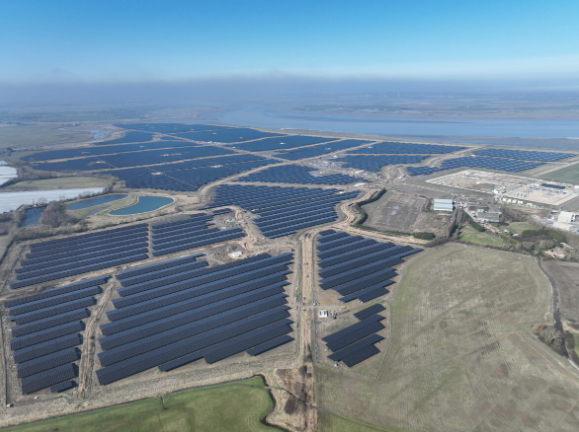
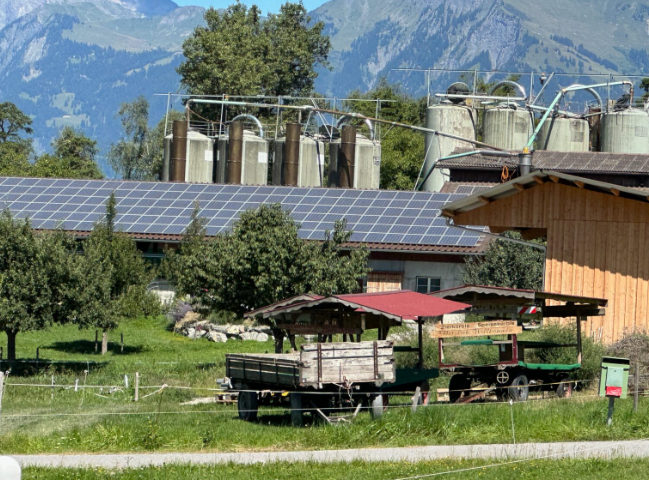
Peak Energy has launched a 65MWp greenfield solar development in Isabela province, located in the Cagayan Valley region of northeastern Luzon, Philippines. The project is expected to generate over 68,000 MWh of clean electricity annually, sufficient to power approximately 23,000 households. Commercial operations are slated to begin in the first half of 2027.
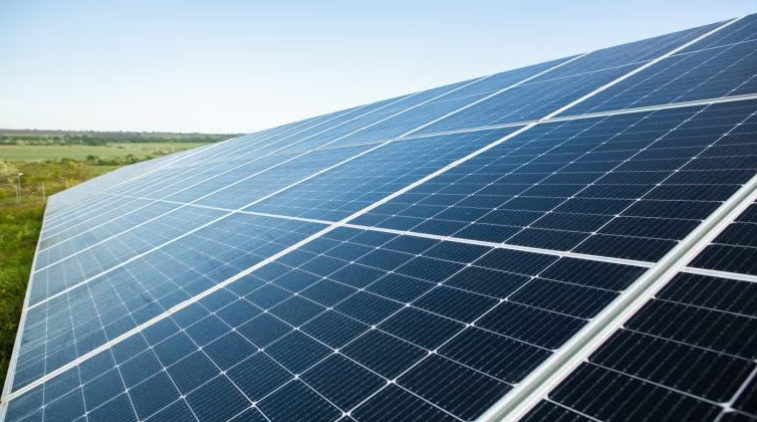
The project is set to avoid approximately 37,000t of CO? emissions each year.
The initiative is set to contribute significantly to the Philippines’ shift toward sustainable energy, reducing carbon dioxide emissions by an estimated 37,000 tonnes each year. Peak Energy is working to secure long-term clean power agreements with corporate partners, supporting Filipino businesses in their efforts to reduce carbon footprints.
Peak Energy CEO Gavin Adda stated: “This project illustrates how we approach our regional development: focusing on high-quality sites, securing the fundamentals fast, and ensuring projects meet the expectations of our customers. The Philippines offers a rare combination in Southeast Asia: strong solar potential and a regulatory environment that actively supports renewable energy deployment. These conditions give us confidence that we are delivering meaningful solutions for businesses looking to decarbonise at scale, and that we are well-positioned to continue doing so as demand for reliable clean energy grows.”
The project aligns with a notable shift in the Philippines’ energy sector. The Institute for Energy Economics & Financial Analysis projects a 5.2% decline in coal-fired electricity generation in the first half of 2025, the first such decrease since 2008. This trend highlights the growing focus on renewable energy sources like solar to meet the country’s energy demands.
By capitalizing on Isabela’s favorable solar conditions and supportive regulatory framework, Peak Energy’s project is poised to bolster the Philippines’ renewable energy capacity. The development reflects a broader commitment to sustainable energy solutions, addressing both environmental goals and the increasing need for clean power in the region.