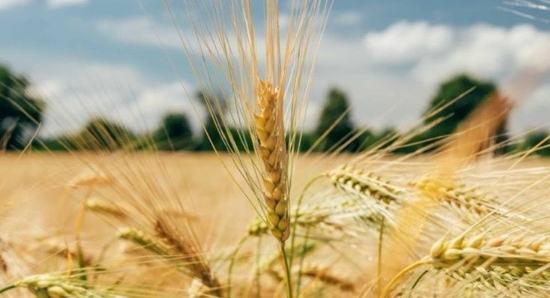
According to the ministry’s first preliminary estimate of the season’s results, the total grain harvest in 2025 is expected to rise by 14.8% compared with last year, amounting to about 44.73 million tons. This improvement reflects favorable growing conditions across much of the season, offsetting weather disruptions toward the end.
In addition to wheat, the winter rapeseed harvest is projected at 3.96 million tons, which is 9.4% higher than the 2024 level. Germany remains one of the EU’s leading agricultural producers, ranking as the second-largest wheat producer after France and also among the largest producers of rapeseed.
The ministry highlighted that while late rainfall posed risks to wheat quality by affecting ripening crops, the protein content of winter wheat averaged 12% this year. This is an improvement over last year’s average of 11.6%, indicating that the overall quality of the harvest has remained stable and in some respects improved, despite weather-related concerns.
The data emphasizes both the resilience of German crop production and the importance of winter wheat and rapeseed within the country’s agricultural sector. Wheat continues to represent a central part of Germany’s grain output, while rapeseed plays a significant role in both food production and biofuel industries.
Looking ahead, the ministry will continue monitoring harvest outcomes and finalizing results in the coming months. The preliminary figures suggest that Germany’s grain and oilseed sectors are entering the new season with stronger output levels, which may contribute to more stable supply conditions in both domestic and broader European markets.
This year’s increase in production, particularly in wheat, reflects a positive recovery compared with 2024 and reinforces Germany’s position as a major agricultural producer within the European Union.