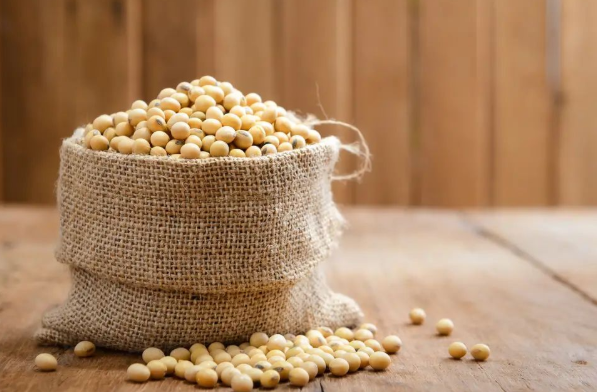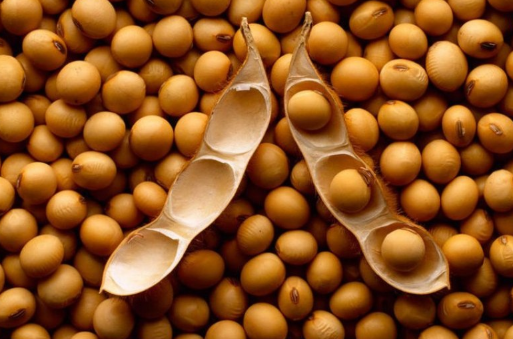
Soybean farming, though not significant in Germany until 2015, has become increasingly important, as noted by Agrarmarkt Informations-Gesellschaft. However, average yields in 2025 declined to 30.8 decitonnes per hectare, down from 32.6 decitonnes per hectare in 2024, reflecting challenges in productivity.
Bavaria and Baden-Wuerttemberg continue to lead soybean production, contributing 56.8% and 17.6% of the national harvest, respectively. Together, these southern regions account for about 74.5% of Germany’s soybean output. Regional variations were notable, with North Rhine-Westphalia achieving a significant yield increase of nearly 33%, reaching 31.3 decitonnes per hectare.
“The remarkable substitution potential of soybeans grown in Germany or the EU is clear, given Germany’s continued enormous demand for imports,” said a spokesperson for the Union zur Förderung von Oel- und Proteinpflanzen (UFOP). In 2024, Germany imported approximately 3.6 million tonnes of soybeans, driven by strong demand for high-protein animal feed.
The UFOP emphasizes the role of domestically grown soybeans and grain legumes, alongside rapeseed meal from rapeseed processing, in meeting this demand. These crops also support resilient crop rotations, which are essential for addressing climate change challenges and enhancing agricultural sustainability.
The expansion of soybean cultivation reflects Germany’s efforts to strengthen domestic production and reduce reliance on imports. By increasing the cultivation area and promoting pulse crops, the country aims to bolster its agricultural sector while supporting sustainable practices that align with environmental goals.
This record harvest underscores the growing importance of soybeans in Germany’s agricultural landscape, offering opportunities to enhance local supply chains and meet the rising demand for protein-rich feed. The focus on expanding cultivation and optimizing crop rotations positions Germany to further develop its soybean industry while contributing to sustainable agriculture.