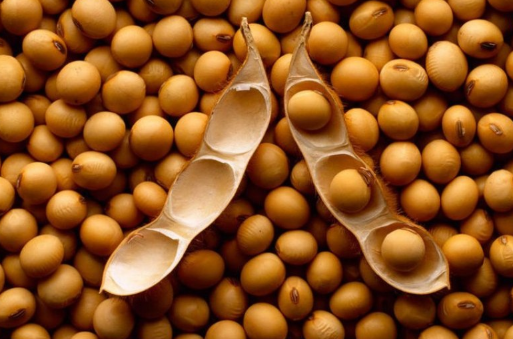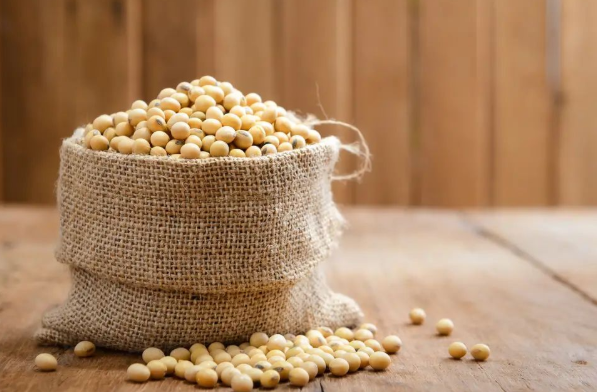
The UFOP reports that soybean farming in Germany gained notable momentum starting in 2015, with steady advancements in subsequent years. For the 2025 season, the area under soybean cultivation expanded by about 8 percent from 2024 levels, totaling approximately 43,600 hectares. Data from the Federal Statistical Office, based on initial assessments, show that farmers harvested around 134,300 tons of soybeans. This figure reflects an uptick of slightly more than 2,500 tons compared to the prior year. While the overall volume rose, the average yield per hectare fell to 3.08 tons, down from 3.26 tons in 2024, highlighting challenges in productivity that offset some of the gains from increased planting.
This development underscores the ongoing efforts to bolster domestic agricultural output in Germany. The expansion of soybean acreage aligns with broader strategies to enhance self-sufficiency in oilseed and grain production. UFOP emphasizes that such initiatives could play a key role in meeting national needs more effectively. The organization's analysis points to the importance of these crops in supporting local food systems and related industries.
Furthermore, the UFOP draws attention to opportunities for greater utilization of soybeans produced within Germany or elsewhere in the European Union. This potential arises amid substantial import volumes, with Germany bringing in approximately 3.6 million tons of soybeans in 2024 to fulfill demand. By promoting locally grown alternatives, there is scope to reduce reliance on external supplies and strengthen regional agricultural resilience. Such substitutions could contribute to more sustainable practices and economic stability for farmers.
The soybean sector's progress since 2015 illustrates a positive trajectory, driven by improved cultivation techniques and market responsiveness. The 2025 projections, despite the yield dip, signal continued viability for this crop in Germany's diverse agricultural landscape. As data collection progresses, further refinements to these estimates may emerge from the Federal Statistical Office, providing a clearer picture of the season's outcomes.
Looking ahead, the UFOP's work highlights the value of expanded acreage in counterbalancing yield variations influenced by environmental factors. This approach not only supports higher production totals but also fosters long-term growth in the oilseed and grain sectors. Stakeholders in agriculture will likely monitor these trends closely, as they inform future planning and resource allocation.
In summary, Germany's 2025 soybean harvest is poised for a record level, propelled by an 8 percent rise in planted area to 43,600 hectares, even as yields average 3.08 tons per hectare. The resulting 134,300 tons represent a 2,500-ton increase over 2024, per Federal Statistical Office figures. With import needs at 3.6 million tons last year, UFOP advocates for increased use of domestic and EU-sourced soybeans to address demand efficiently.