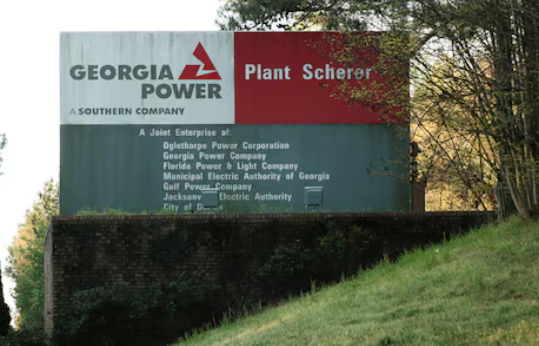
The Robert W Scherer Power Plant, a coal-fired electricity plant operated by Georgia Power, a subsidiary of the Southern Company, in Juliette, Georgia, U.S. April 1, 2017.
The projects are part of the company’s Clean and Renewable Energy Subscription (CARES) 2023 program. This program enables commercial and industrial customers to subscribe to renewable energy, supporting their sustainability goals. Georgia Power emphasized that the initiative reflects ongoing efforts to expand clean energy availability for large-scale users.
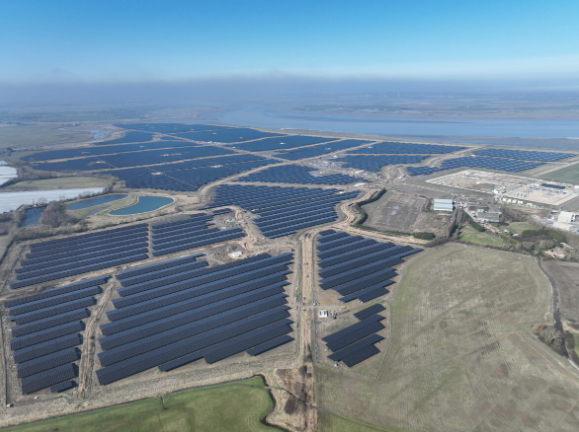
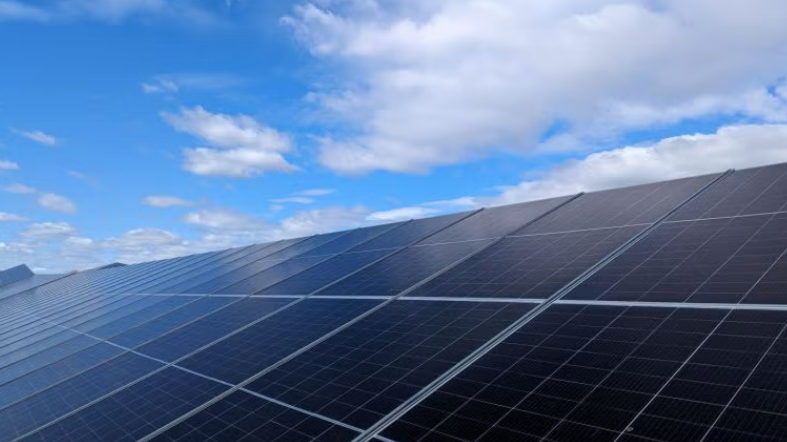
According to the company, the approved solar projects will be developed and maintained by third-party companies. These firms were selected through the CARES 2023 Request for Proposal (RFP), which was authorized in the 2022 Integrated Resource Plan (IRP) Final Order. The sites will be located in Mitchell County, Coffee County, Wilkinson County, Jefferson County, and Laurens County, ensuring broad geographic coverage across Georgia.
Georgia Power also noted progress toward future expansion. The CARES 2025 RFP, likewise approved in the 2022 IRP Final Order, was recently issued. Proposals are due in August and will focus on utility-scale solar or solar-plus-storage projects. The target capacity for this next phase is up to 2,000 MW, which would further strengthen the state’s renewable energy infrastructure.
The company stated that these new utility-scale projects are expected to become fully operational as early as 2028. By advancing solar development through both the 2023 and 2025 programs, Georgia Power aims to enhance energy options for customers while supporting the broader transition to renewable resources.
This expansion of solar capacity reflects coordinated planning between Georgia Power, regulators, and third-party developers. It underscores the role of long-term integrated resource planning in balancing customer needs, sustainability objectives, and energy reliability. Through the CARES program, the company provides opportunities for large organizations to align their energy use with renewable generation, while also contributing to regional energy development.
Overall, the approved agreements and upcoming proposals mark another step in Georgia’s renewable energy growth. With projects already under way and future bids set to expand capacity further, Georgia Power is positioning itself to deliver significant utility-scale solar generation across the state over the next several years.