The second phase of PM-KUSUM will commence after the current phase concludes in March 2026.
At the State Review Meeting on Renewable Energy, Renewable Energy Minister Pralhad Joshi underlined the importance of expanding domestic capacity in wafers and ingots to complement the existing solar module industry. He highlighted that the contribution of states has pushed India beyond the halfway point of its 2030 goal of achieving 500GW of non-fossil energy capacity. Current installed renewable capacity stands at 251.5GW.
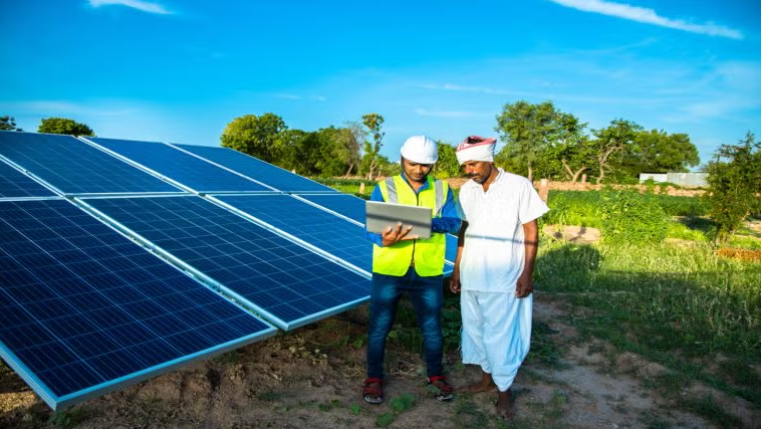
Joshi noted the progress of the PMSGY initiative, which has benefitted around two million households. He called on states and distribution companies to adhere to quality standards, finalise agreements on time, and ensure that tariff credits provided to consumers are advantageous. He also confirmed that the second phase of the PM-KUSUM scheme will be launched after the completion of the current phase in March 2026. Introduced in 2019, the program promotes solar power in the agricultural sector.
Joshi said: “Timely action is the backbone of this system. If we keep delaying procurement on the expectation that tariffs will fall further, we are missing the bigger picture.” He further urged states to adopt single-window clearances and resolve issues that developers face in implementing renewable projects.
On manufacturing, Joshi pointed to the achievements of the Production Linked Incentive (PLI) Scheme for High Efficiency Solar PV Modules. With an outlay of Rs240bn ($2.7bn), the scheme has created 100GW of solar module manufacturing capacity, attracted Rs500bn in investments, and generated more than 12,600 direct jobs.
Ministry of New & Renewable Energy Secretary Santosh Kumar Sarangi stressed that India’s green energy transition is key to its long-term climate commitments. He stated that the nation’s targets include achieving 1,800GW of renewable energy by 2047 and 5,000GW by 2070 as part of the journey to net zero emissions by 2070.
The review meeting also provided a platform for states to present their progress and highlight challenges in deploying renewable capacity. Industry associations and stakeholders joined the discussions, focusing on potential policy reforms and the design of PM-KUSUM 2.0. The aim is to coordinate actions and accelerate the pace of India’s clean energy transition.
By combining state-level initiatives, central schemes, and private sector participation, India is moving closer to its vision of creating a self-reliant solar manufacturing ecosystem. The alignment of policies, manufacturing growth, and renewable deployment reflects the country’s commitment to a sustainable energy future.