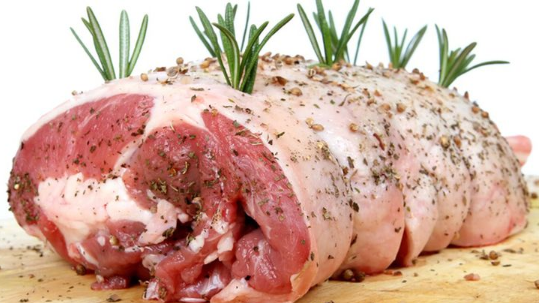
Prices of live pigs have declined for six consecutive weeks, reaching 14.35 yuan/kg in mid-August, a 31.4% decrease from a year earlier. Pork prices also dropped to 24.93 yuan/kg in the third week of August, down 22% year-on-year. The decline in piglet prices has been even longer, lasting fifteen consecutive weeks and reaching 33.25 yuan/kg, representing a 25.4% decrease from a year earlier.
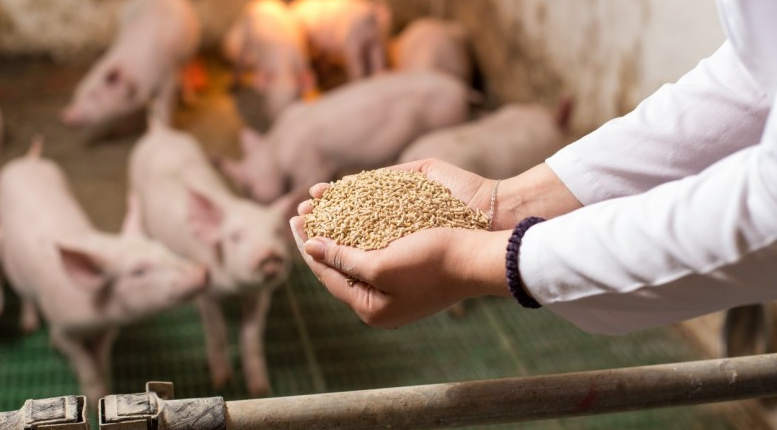
Despite these declines, pig farming has remained profitable due to reduced feed costs. Corn and soybean meal prices have stayed at historically low levels, helping producers lower expenses. Analyst Zhu Zengyong of the Beijing Institute of Animal Husbandry and Veterinary Medicine noted that pig farming has been profitable for 15 consecutive months, though average profits have weakened, falling below 100 yuan per farm in July.
Pork consumption typically slows during the hot season but is expected to improve in September. A further increase is anticipated in southern regions during the jerky season in late November. To address short-term market challenges, the National Development and Reform Commission announced a new round of stockpiling domestic frozen pork. This measure is aimed at reducing market supply and supporting price stability.
On the international side, China imported 626,000 tons of pork between January and July, a 4.1% increase compared with the previous year. However, imports in July alone fell slightly by 0.6%. The data indicates that while domestic supply has grown significantly, imports continue to play a role in balancing the market.
Looking ahead, analysts expect modest seasonal increases in prices with limited fluctuations. While profitability is projected to remain positive, margins are narrowing as production costs and price adjustments reshape the market.
Overall, the first half of the year has been marked by high slaughter numbers, lower prices, and stable but tightening profitability. Market participants are watching seasonal consumption trends and policy-driven stockpiling measures, which are expected to influence prices and supply levels in the coming months.