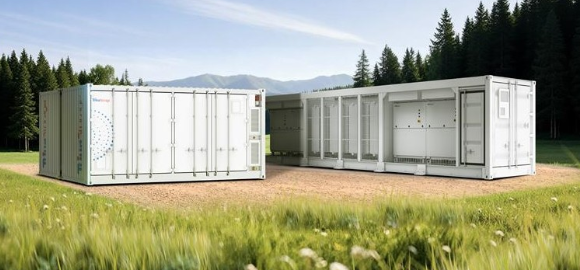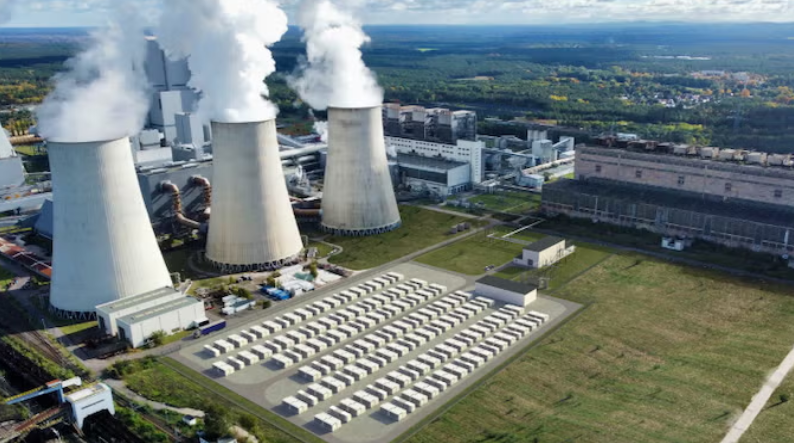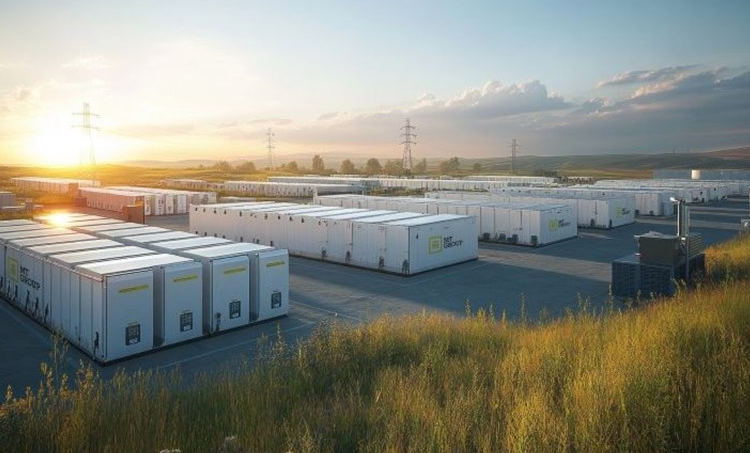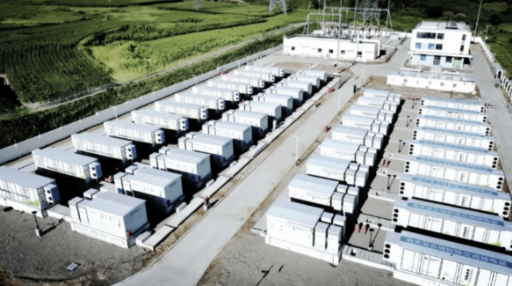
The project is described as the world’s largest supercapacitor-based installation. It integrates a 58MW/30-second supercapacitor array with 42MW/42MWh of lithium-ion battery storage, creating a system capable of fast response and stable energy output. Covering a site area of around 16,800 square meters, the facility represents a significant step in enhancing grid stability and supporting renewable energy integration.
The total investment in the project amounted to CNY 670 million. By combining supercapacitors and lithium-ion batteries, the plant can provide rapid frequency regulation while maintaining sustained power delivery. This hybrid structure is designed to address challenges associated with fluctuating electricity supply and to improve overall system reliability.
Supercapacitors are known for their ability to deliver high power output within seconds, making them suitable for short-term frequency adjustments. In contrast, lithium-ion batteries offer longer-duration energy storage, enabling the facility to sustain operations over extended periods. Together, the two technologies complement each other, ensuring efficient management of power fluctuations and contributing to a more resilient grid.
The commissioning of the Shanxi plant is expected to help balance supply and demand in the regional power network. By providing fast-response frequency regulation services, it will reduce the risks of instability and contribute to a smoother operation of the grid. The project is also seen as part of broader efforts to integrate more renewable energy into the power system, as stable frequency control is crucial when accommodating variable generation sources such as wind and solar.
Industry observers note that large-scale energy storage facilities are increasingly important for modern power systems. The Shanxi project demonstrates how advanced storage technologies can be applied in combination to deliver both speed and capacity. Its hybrid design is regarded as a model for future developments in the sector.
Following successful testing, the plant will begin commercial operations in September. Once operational, it will not only support local electricity needs but also provide valuable experience in the application of supercapacitor and battery hybrid systems on a large scale.
Overall, the project highlights ongoing progress in China’s energy storage sector, showing how innovation in technology and investment is contributing to a more reliable and flexible grid system. With its unique scale and hybrid configuration, the Shanxi facility is expected to play an important role in advancing frequency regulation capacity and supporting the long-term stability of the power supply.