Iraq currently produces up to 28,000MW of electricity.
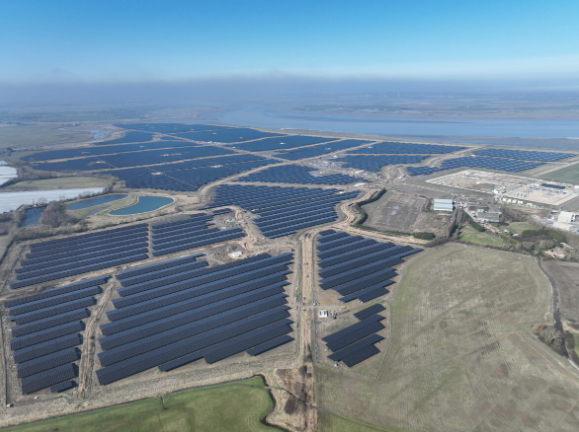
Nasser Karim al-Sudani, head of the national team for solar energy projects in the prime minister’s office, said that work is also progressing on a second solar plant with a planned capacity of 225MW in Babil province, reported Associated Press. In addition, a 1,000MW project is scheduled to begin construction in Basra province. These initiatives form part of a wider plan to expand Iraq’s renewable energy capacity, reduce dependence on conventional energy sources, and minimise environmental pressures.
Deputy Minister of Electricity Adel Karim explained that solar projects under construction, approval, or negotiation collectively amount to around 12,500MW. Once completed, and excluding projects in the Kurdistan region, they could provide up to 20% of Iraq’s electricity needs.
Electricity demand in Iraq has risen sharply, reaching nearly 55,000MW earlier this year as temperatures exceeded 50°C in some areas. At present, the country produces up to 28,000MW, including approximately 8,000MW generated from natural gas supplied by Iran.
However, gas imports from Iran have faced disruptions. In March, the United States ended a sanctions waiver that had previously allowed Iraq to purchase electricity directly from Iran, with renewals occurring every 120 days. In addition, Iran has struggled with its own energy shortages, which have limited its capacity to export gas. These challenges have affected Iraq’s electricity supply, underscoring the need for alternative energy sources.
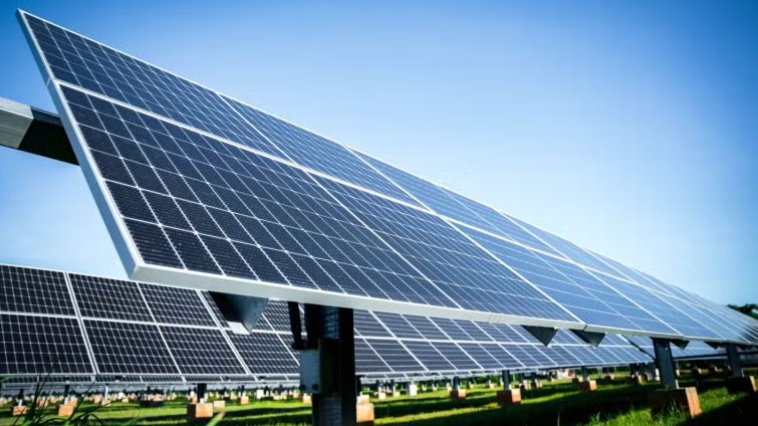
The Karbala solar project marks a significant step toward diversifying Iraq’s energy portfolio. Alongside other planned facilities, it reflects the government’s strategy to strengthen energy security, meet growing consumption, and increase the role of renewable energy in national development.