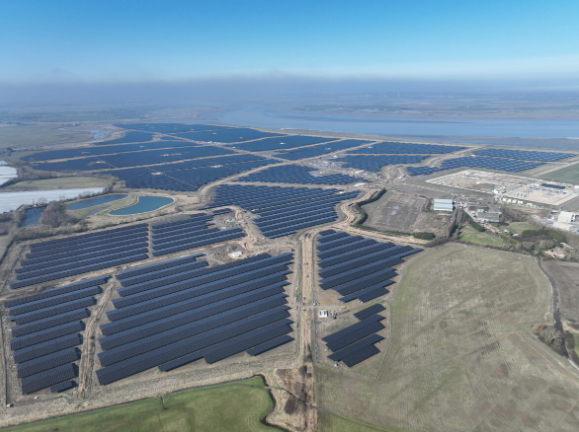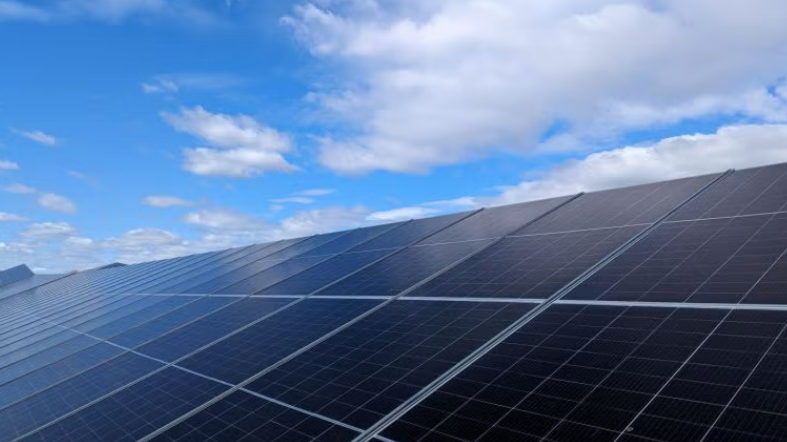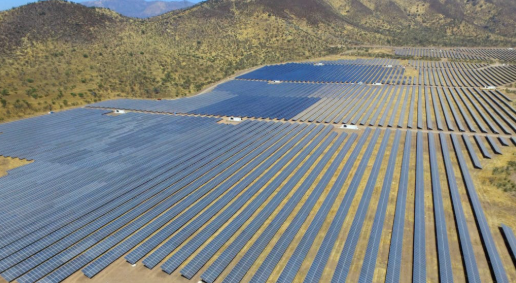
A utility-scale PV project in Brazil
According to the National Electric Energy Agency (Aneel), centralized solar generation is expected to add 3.493 GW of capacity in 2025, following the 5.589 GW installed in 2024. Although overall solar and wind capacity additions are projected to decline this year—from 4.240 GW to 2.852 GW for wind power—growth in thermal generation is anticipated to rise significantly, from 907 MW in 2024 to 3.212 GW in 2025. Hydroelectric, mini-hydroelectric, and auxiliary hydro plants are expected to total 312 MW this year, compared to 57 MW in the previous year.
Brazil’s utility-scale solar sector and the broader renewable energy industry are currently facing their most critical challenge: curtailment, which has reached up to 20% of potential generation capacity. This issue has discouraged new investments in large-scale projects. In response, the Brazilian Photovoltaic Solar Energy Association (ABSolar) has proposed several measures, including offsetting previous financial losses, expanding transmission infrastructure, improving grid reliability, and increasing energy storage capacity to stabilize supply during periods of generation surplus.
At the end of September, two major photovoltaic complexes under Brazil’s New Growth Acceleration Program (New PAC) began operations in the country’s northeast, collectively adding nearly 300 MW to the national grid.
The Lins Photovoltaic Complex was inaugurated on September 18 in São Gonçalo do Amarante, Ceará (CE). The project consists of 59 generating units across two plants, with a total installed capacity of 182 MW. The Lins 01 plant comprises 29 generating units producing 90 MW, while Lins 02 includes 30 generating units with a combined capacity of 92 MW. The complex is connected to the national grid via the 230 kV Pecém II substation.
Similarly, the Dunamis Photovoltaic Complex began operating on September 24 in Santana do Matos, Rio Grande do Norte (RN). It includes 36 generating units distributed across four plants—Dunamis I to IV—with a total installed capacity of 117.54 MW. The project required an investment of approximately R$569 million and is expected to support local economic and social development through job creation and infrastructure enhancement.
Brazil’s steady expansion of solar infrastructure highlights the country’s ongoing transition toward a more diversified and resilient energy mix. However, addressing grid congestion and improving system flexibility will be crucial to sustaining investment momentum and maximizing the potential of renewable energy resources.