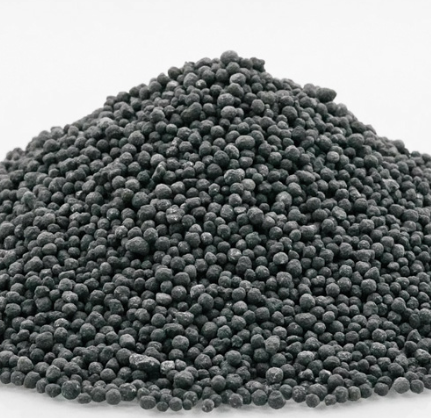
Government support for importers enabled DAP imports of 4 million t during the April-September kharif season, well above the three-year average of 2.73 million t, helping compensate for a 7% shortfall in domestic production over the same period. Lower domestic availability prompted some farmers to substitute alternative phosphates, with domestic kharif DAP offtake totaling 4.44 million t, 17% below typical levels, allowing imports to rebuild inventories.
For October 2025, DAP deliveries to Indian ports are scheduled at 458,000 t. Assuming domestic production and sales from October to December follow the three-year averages of 1.09 million t and 3.76 million t, an additional 2.21 million t of imports will be needed to maintain stable stock levels through year-end. Historical averages for October-December imports are 2.11 million t.
Several Indian importers have secured supply agreements with Saudi Arabia and Morocco to cover future needs. In July, IPL, Kribhco, and Coromandel signed deals for 3.1 million tpy of phosphates, mainly DAP, from Saudi Arabia over five years. Deliveries from July to September 2025 from Saudi Arabia totaled 1.14 million t, while 66,000 t of the October line-up is sourced from Saudi Arabia.
Agreements with Morocco's OCP provide 1.5 million t of DAP through the end of 2025. From July to October, deliveries under this agreement totaled 1.01 million t, leaving roughly 0.5 million t remaining. Together, these Saudi and Moroccan supplies likely cover most of India’s DAP import needs for the remainder of the year.
Importers are currently cautious about purchasing additional cargoes through tenders or spot deals, awaiting government guidance on the nutrient-based subsidy for the October-March rabi season. During the kharif season, government support bridged the gap between the maximum retail price, subsidy, and import or production costs, ensuring financial viability for importers and domestic producers. Decisions on extending this subsidy into the rabi season will influence whether importers commit to new orders.
In summary, India’s DAP stockpiles are rising due to strong import activity supported by government subsidies, while agreements with Saudi Arabia and Morocco secure supply for the rest of the year. Importers are closely monitoring subsidy announcements to guide further purchases and maintain adequate inventories for upcoming planting seasons.