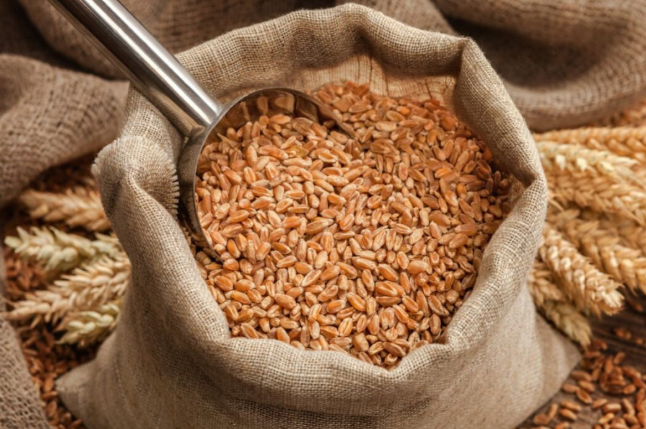
The vessel reached the outer anchorage of Chittagong Port on Saturday and is currently undergoing sample testing to verify the wheat’s quality before unloading. Of the total consignment, 34,170 tonnes will be unloaded at Chittagong Port, while the remaining 22,789 tonnes will be transported to Mongla Port.
Bangladesh’s wheat imports play a crucial role in meeting domestic demand, as the country requires more than 7 million tonnes annually but produces only about 1.1 million tonnes. The rest is covered through imports. In the previous fiscal year, Russia supplied about 54% of Bangladesh’s wheat imports, followed by Ukraine with 14% and India as another major source.
The government’s recent decision to import wheat from the United States is aimed at diversifying supply sources and balancing trade relations. Officials indicated that the move also seeks to minimize the risk of potential US tariffs on Bangladeshi exports. The wheat is being supplied through Agrocrop International, an authorized representative of US Wheat Associates, at a price of USD 302 per tonne.
The intergovernmental import agreement was approved by the Cabinet Committee on Public Procurement on 23 July. It forms part of Bangladesh’s broader strategy to strengthen food security, ensure stable supplies, and enhance cooperation with multiple international partners.
With the first shipment now arrived, further deliveries under this contract are expected in the coming months. The imports from the United States will help stabilize local wheat markets, support domestic food distribution programs, and reduce dependence on traditional suppliers.
The Food Ministry emphasized that these imports are essential for maintaining steady supply amid rising consumption and global market volatility. The cooperation between the two governments also demonstrates a shared interest in ensuring reliable grain trade and sustainable food partnerships.
Bangladesh’s diversification approach aligns with its long-term policy of securing agricultural inputs from multiple origins while promoting balanced trade relations with major partners. The ongoing wheat imports from the United States are expected to contribute positively to the country’s food management system and reinforce its resilience in maintaining national food security.