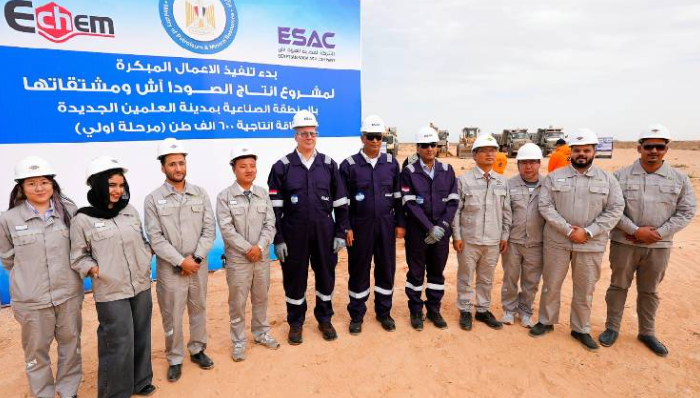
According to the ministry, the new plant will produce about 100 000 tons of low-emission, high-value biofuel annually using sugar beet molasses as its main feedstock. The bioethanol produced will be used as a gasoline blend to improve fuel efficiency and reduce emissions or in various industrial applications such as inks, paints, and solvents. The project is expected to generate an additional value of approximately US$100 million per year, contributing to both economic growth and cleaner energy development.
The financing package was arranged through a consortium of leading Egyptian banks, reflecting strong domestic financial sector participation in green industrial projects. The participating banks include the National Bank of Egypt (NBE), Commercial International Bank (CIB), Banque du Caire, QNB Alahli, the Arab African International Bank (AAIB), Al Baraka Bank Egypt, and the Housing and Development Bank (HDB). Their joint involvement highlights coordinated support for sustainable energy initiatives and investment diversification in the country’s petrochemical sector.
The bioethanol project aligns with Egypt’s long-term strategy to promote green production, lower carbon emissions, and enhance environmental sustainability. It supports the second and fifth pillars of the Ministry of Petroleum’s strategic plan, which focus on developing value-added products and adopting cleaner production technologies. The ministry emphasized that bioethanol, as a renewable and low-carbon fuel, will play an important role in supporting Egypt’s transition toward a more sustainable energy mix while maintaining industrial competitiveness.
By utilizing sugar beet molasses, a byproduct of the agricultural sector, the plant will also strengthen the connection between agriculture and industry, promoting circular economy practices and more efficient resource use. This integration is expected to create additional employment opportunities and stimulate local economic activity in the Damietta region.
Overall, the project demonstrates Egypt’s commitment to expanding its portfolio of environmentally friendly energy solutions through public-private collaboration and domestic financial participation. The bioethanol facility, once operational, will enhance Egypt’s capacity to produce clean fuels locally, reduce dependency on imports, and contribute to global efforts aimed at lowering greenhouse gas emissions. It is considered a key milestone in the country’s broader vision for sustainable industrial growth and environmental stewardship.